
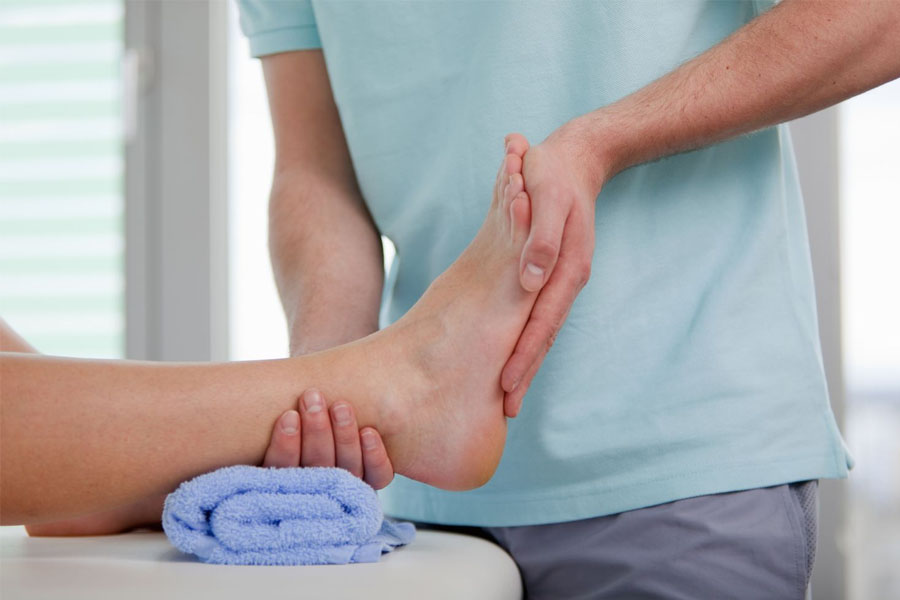

Your feet support every step you take, and when foot conditions go untreated, they can lead to discomfort and changes in gait. This sometimes limits mobility and reduces physical activity. Over time, problems such as pain, inflammation, deformities, or skin and nail conditions can make walking and everyday movement more difficult. Recognizing the connection between foot health and overall body function supports earlier attention to symptoms and more effective long-term management. Here’s information about several foot conditions, their impact on overall well-being, and how a podiatrist can help:
Linking Feet to Overall Health
Foot health plays a significant role in daily function. The structure of the feet influences how the body distributes weight, and that distribution affects alignment in the ankles, knees, hips, and lower back. When the foundation changes, the body may gradually develop compensatory movement patterns.
Balance is also closely connected to overall foot function. Stable footing supports controlled and efficient movement, while changes in foot mechanics can make walking on certain surfaces more difficult. Mobility and daily activity rely on the feet, so maintaining foot health supports consistent and comfortable movement.
The feet also contribute to overall physical stability during standing and activity. Simple tasks such as walking or climbing stairs require coordinated foot function, and even small structural changes can affect performance. Maintaining proper foot health helps support long-term mobility and reduces strain on other joints.
Recognizing Common Foot Issues
Various foot concerns are worth monitoring, even when they appear minor at first. Persistent heel, arch, or ball-of-foot pain may interfere with walking and standing. This concern warrants evaluation by a podiatrist rather than ongoing self-management. Skin changes, including calluses, dryness, cracking, or discoloration, may reflect shifts in pressure or general skin health, and they are worth tracking over time.
Nail concerns such as thickening or changes in texture are another category to watch. Gait-related issues include subtle changes in how you walk, a tendency to favor one side, or shifting weight to avoid discomfort. They may develop gradually and go unnoticed until they affect adjacent joints; early attention to these patterns allows for timely evaluation. Footwear fit is also significant. Shoes that are too tight, too loose, or lacking adequate support may contribute to pressure-related issues and gait changes. Replacing worn footwear is a straightforward adjustment to help reduce these issues.
Practicing Routine Foot Care
Consistent daily habits form the foundation of good foot health; they support your feet without requiring elaborate routines. Basic practices include keeping feet clean and dry, inspecting for visible changes, trimming nails straight across, and moisturizing dry areas. Regular inspection is especially key for individuals managing conditions that affect circulation or sensation, such as diabetes.
Here are several practices that can support foot health across various activity levels:
- Wearing properly fitted footwear suited to your specific activity
- Keeping feet clean and dry, particularly between the toes
- Trimming toenails straight across to reduce ingrown nail risk
- Moisturizing heels and soles to manage dryness and cracking
- Replacing worn shoes that no longer provide adequate structural support
Knowing When To Seek Evaluation
Persistent pain, sores that do not improve, significant nail changes, and swelling are all changes worth discussing with a qualified provider. A podiatrist specializes in foot and ankle health; they are a practical resource for concerns that extend beyond routine care. These professionals treat various concerns that can affect daily life, from calluses to bunions.
Find a Reliable Podiatrist
Healthy feet support an active, mobile daily life. Routine care, well-fitted footwear, and early attention to changes are practical steps that contribute to your overall well-being. If something about your feet looks or functions differently than your usual baseline, schedule time with a healthcare provider; early detection is key.
