

When your child needs an imaging exam, it’s natural to want clear answers. Understanding how pediatric imaging works helps you be prepared. Medical teams follow specific protocols designed for children, and these differ meaningfully from adult imaging practices. Knowing what to expect gives you the tools to ask the right questions.
Confirm Necessity and Modality
Not every symptom requires pediatric imaging, and the first step is confirming that the exam is needed. A referring physician reviews your child’s symptoms, and the imaging team confirms the appropriate modality. The right choice depends on what information the doctor needs. Doctors weigh the benefits of each exam against any risks. They use your child’s age, medical history, and current condition before ordering a study.
Some concerns can be assessed through a physical exam or observation alone. When imaging is warranted, the team chooses the test with the least exposure. This careful review prevents unnecessary scans, and it makes sure each exam serves a clear purpose. You can ask why a specific exam is recommended, and the team will explain the reasoning. X-rays work well for bone and chest concerns. They are quick and expose your child to a small, controlled amount of radiation.
Minimize Dose by Size
Staff adjust technique settings for your child’s size and weight, rather than using adult defaults. The team calculates the necessary radiation for each scan based on your child’s body size. Staff verify these settings before the exam, and they confirm they match your child’s measurements. For smaller bodies, technologists reduce CT scan parameters. Radiologists and technologists calibrate each exam individually. The team images only the targeted area. They limit the scan range to the region of concern, and they avoid imaging beyond it. The team avoids repeating exposures unless there is a clinical need. If the team must repeat a scan, they document the reason, while confirming no alternative exists.
Prepare and Communicate Clearly
Preparation varies by exam type, and knowing the basics helps you get ready. Since the team will tell you exactly what to do, they will answer any questions you have. Discuss any questions before the appointment. Common preparation steps include:
- MRI: Your child may need to stay still for an extended period, and sedation is sometimes used for younger children.
- Sedation: Staff explain options in advance, and they monitor your child closely throughout the scan.
- Ultrasound or general imaging: Preparation is minimal and straightforward.
- Food restrictions: Some exams ask that your child avoid food beforehand, while others require no special steps.
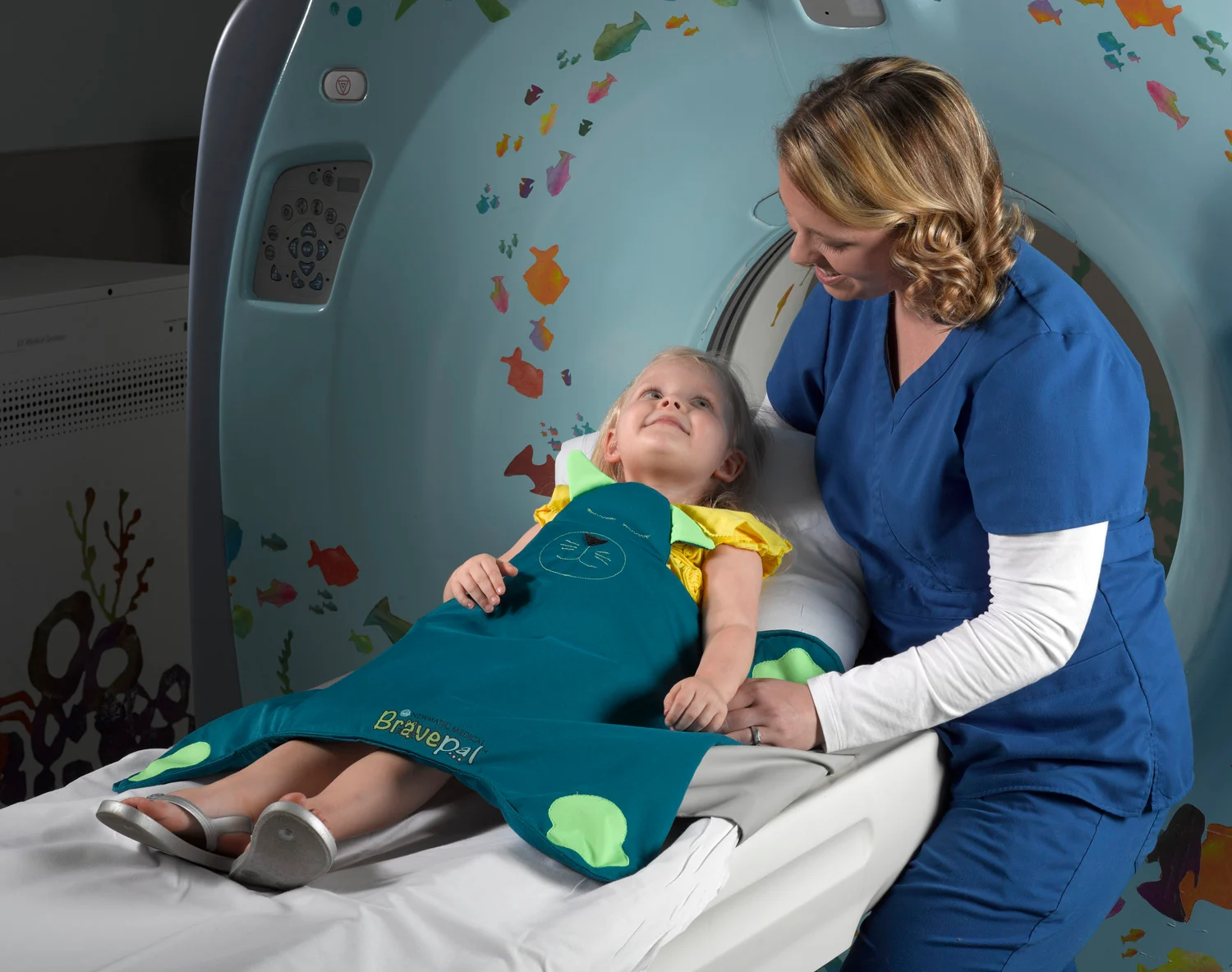
Pediatric imaging teams are trained to work with children of different ages. This reduces movement during the exam and helps the process go smoothly. When a child is anxious, the team takes extra time to build trust before the scan begins. Some facilities offer practice sessions, and they help your child be familiar with the equipment beforehand.
Book Pediatric Imaging Today
Ask practical questions at your child’s imaging appointment. Start by confirming why the exam is needed, and ask whether a lower-radiation option is available. Ask whether the facility uses pediatric-specific protocols. Inquire about preparation requirements, sedation policies, and whether you can stay with your child during the scan. Ask how long the exam takes, and discuss when results will be available to your child’s physician. Prepared parents help the process run smoothly. Contact the outpatient imaging center ahead of your appointment, while bringing your written questions with you.
