
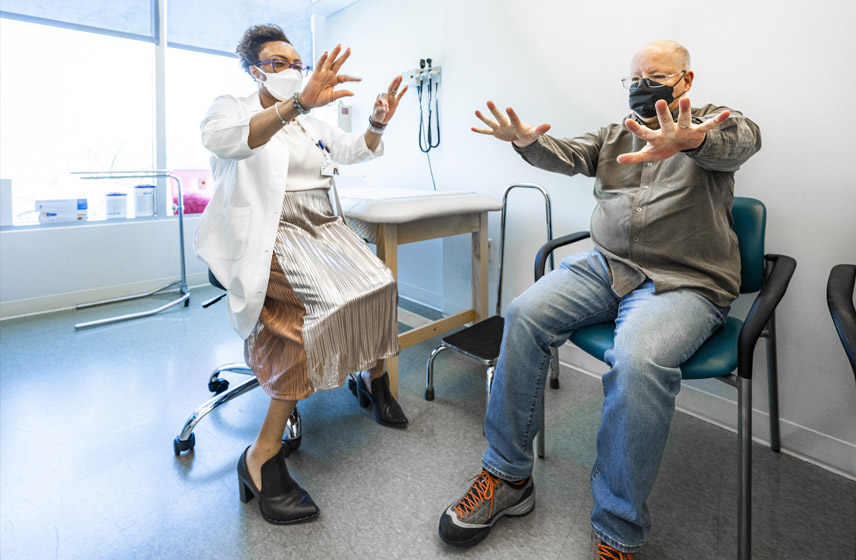

Parkinsons disease affects the nervous system, and it impacts movement over time. Since a thorough understanding of the disease is beneficial, patients should learn about the available interventions. Primary treatment options include medications, physical therapies, and deep brain stimulation. A neurologist will evaluate individual symptoms and medical history to design an effective, personalized care plan. Here is more information on this disease:
What Is Parkinsons Disease?
Parkinsons disease is a progressive neurological disorder that primarily affects the motor system. The condition develops gradually, and it may begin with barely noticeable tremors in one hand. As the disease advances, it leads to stiffness and slowing of movement. Medical professionals diagnose this condition based on clinical evaluations. Early detection provides a better opportunity for effective medical intervention.
What Causes It?
The exact origin of this disease remains unknown, but it is attributed to a combination of genetic and environmental factors. Certain gene variations may increase the risk of developing the disorder. Exposure to specific environmental toxins can also play a role in the onset. The condition involves the loss of neurons in the brain that produce dopamine, leading to abnormal brain activity and necessitating a comprehensive neurological evaluation to pinpoint the causes.
What Are the Symptoms?
Patients experience a variety of signs that worsen over time as the disease progresses. A clinical evaluation may reveal both motor and non-motor issues. Patients may notice subtle changes long before a formal diagnosis takes place. The primary symptoms include:
- Tremors occurring in the hands, arms, legs, or jaw during a resting state.
- Muscle stiffness that limits the range of motion and causes discomfort.
- Bradykinesia, which refers to the gradual slowing of voluntary movements.
- Postural instability leading to balance problems and an increased risk of falls.
- Changes in speech patterns, such as speaking softly or with hesitation.
What Are the Treatment Options?
There is no cure for Parkinsons disease, but several treatments effectively manage the symptoms. Doctors prescribe medications to increase or substitute dopamine within the brain. These pharmaceuticals target neurological pathways, so they may improve problems with walking, movement, and tremors. A physician will adjust dosages over time to maximize the benefits and minimize side effects.
Physical and occupational therapies serve as secondary components of a comprehensive care plan. A therapist will guide patients through exercises designed to improve balance, flexibility, and muscle strength. Speech therapy may also be available for patients experiencing communication difficulties. These targeted programs help individuals maintain independence in their daily routines, and consulting a specialist helps determine which therapies are right for each situation.
When medications fail to control symptoms adequately, doctors may recommend surgical procedures like deep brain stimulation (DBS). Surgeons implant electrodes into a specific part of the brain during this procedure. A generator implanted in the chest sends electrical pulses to these electrodes, which can reduce disease symptoms. DBS is a highly specialized procedure, so it requires careful evaluation by a surgical team.
How Is Professional Guidance Beneficial?
Managing a complex neurological condition requires the expertise of a specialized medical team. A neurologist can accurately monitor disease progression. These professionals understand the nervous system, so they can interpret subtle changes in symptoms and adjust treatment accordingly. Regular consultations allow the medical team to coordinate physical therapies, surgical evaluations, and medication schedules, and this provides a comprehensive approach.
Consult a Neurology Specialist
Navigating this disease requires accurate medical information and an organized treatment strategy. If you develop a comprehensive care plan, you can address your specific symptoms and maintain your quality of life. Schedule an appointment with a neurology specialist today, and they will recommend personalized treatment options.
