
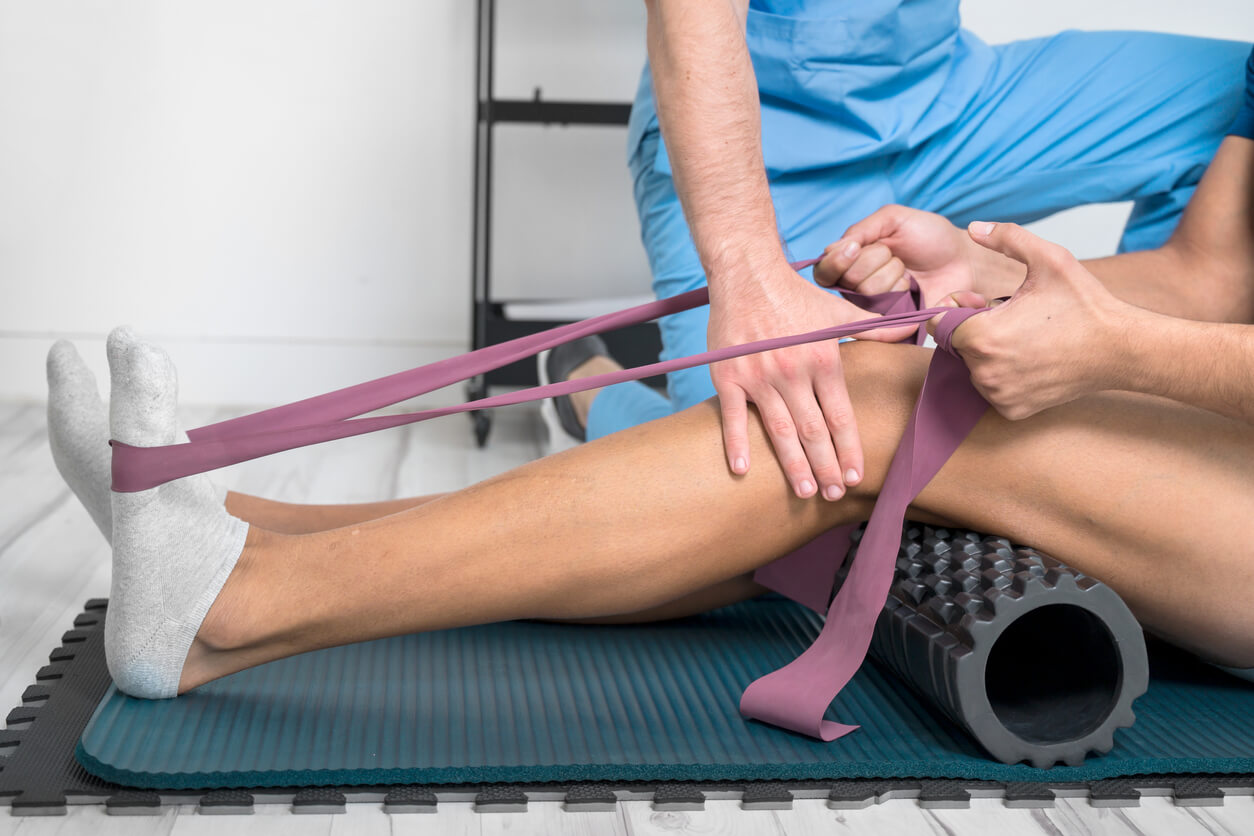

Athletic training repeatedly stresses muscles, joints, and connective tissues through activities such as running, jumping, lifting, and rotation. Physical therapy helps prevent injuries and guides structured, functional exercise. Mobile treatment sessions bring personalized care right to a home or familiar location, where athletes are able to train and perform. Here is more information about the role of physical therapy in sports injury prevention:
Movement Patterns
Sports activities depend on coordinated interactions between the muscular and nervous systems. When movement mechanics are inefficient, repetitive activity places increased stress on the joints. This added strain may raise the risk of injury over time.
Physical therapy helps reduce that risk by improving movement control, flexibility, and muscular support around key joints. When therapists observe movement in home gyms, outdoor spaces, or training areas, they recommend exercises that match the athlete’s daily routine and physical load. Mobile, at-home sessions allow therapists to observe athletes in familiar environments.
Repeated strain can increase pressure on muscles and connective tissue over time. Running drills, jumps, or rotational movements places fatigue on multiple body parts because each activity requires controlled coordination. Rehabilitation therapy addresses movement inefficiencies and aligns athletes’ joints. Physical therapists also monitor body positioning during exercises.
Strength Support
Weak stabilizing muscles reduce movement control because athletic performance depends on balanced strength across key muscle groups. When stability is limited, coordination becomes less efficient and movement quality declines. Sport rehabilitation uses targeted strengthening exercises and modifies training routines to match the specific movement demands of a given sport. Training sessions often involve repeated force production, and uneven strength distribution places additional stress on the knees, hips, shoulders, or spine. Resistance training builds strength in specific muscle groups and improves load distribution across joints. While many athletes emphasize performance drills, structured strengthening programs provide long-term support for physical stability and resilience.
Recovery Methods
Physical therapy supports recovery through mobility work, stretching, and guided exercise, with treatment adjusted to match an athlete’s activity level and training demands. Restorative care routines support normal tissue function and help the body return to baseline after exertion. Early post-training treatment helps preserve flexibility and movement control for subsequent activity.
After a competition, athletes often experience temporary reductions in mobility that affect movement quality in later workouts. Physiotherapy promotes circulation and improves movement efficiency. This contributes to more consistent physical function across training cycles and reduces disruptions in performance readiness.
Mobility Training
Sports such as basketball, soccer, and tennis involve frequent, rapid changes in direction along with rotational and explosive movements. When flexibility is limited, these actions place greater strain on muscles and connective tissues. Physical therapy improves range of motion and reinforces safer movement patterns during high-impact activity. Mobility exercises target specific restrictions in joint and soft tissue movement. Flexibility differs among athletes, yet structured mobility training reduces excess tension on nearby joints and supporting muscles, improving overall movement efficiency.
Start Physical Therapy
Physical therapy delivered at home allows movement to be assessed in the same environment where daily activities take place. Care focuses on functional movement and uses structured exercises based on the physical needs identified during each session. Because treatment occurs in a real-world setting, it directly relates to the patient’s normal routines and movement demands, without requiring a clinic visit. Contact a therapy clinic to arrange in-home treatment that supports movement needs through personalized care.
