
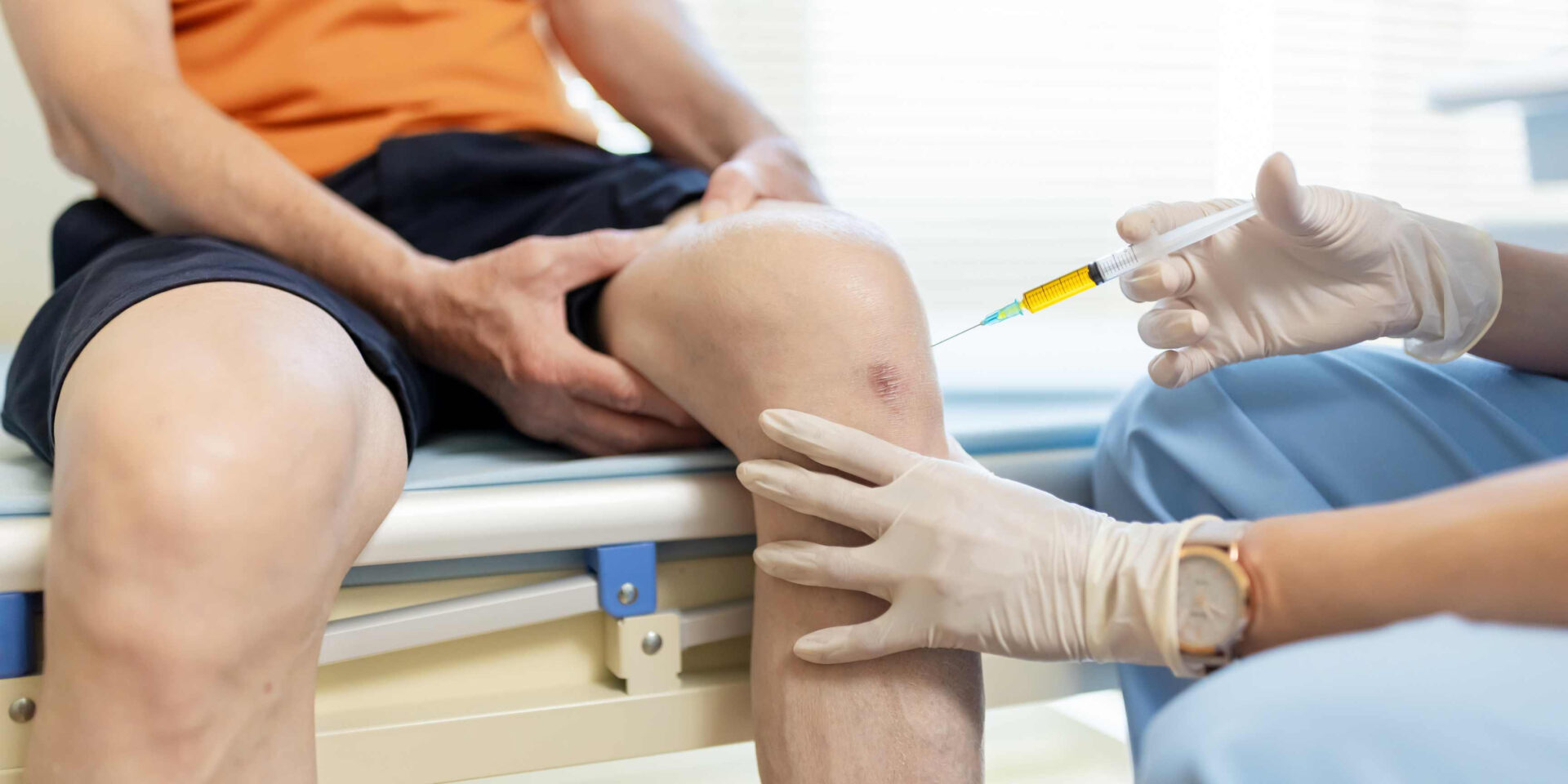

Platelet-rich plasma (PRP) uses a sample of your blood to prepare a concentrated injection. Clinicians separate the platelets, and they place them in areas that need support. Since platelets contain signaling proteins, PRP treatment focuses on the body’s repair response. Here is more information on the role of PRP to accelerate the healing process:
Releasing Growth Factors
PRP places a high number of platelets at the treatment site. These platelets activate and release growth factors, and the local repair process starts. When tissue faces stress from injury or overuse, those signals help direct nearby cells.
Growth factors help organize several early healing steps. They attract repair cells, and they support blood vessel activity. Since healing follows a sequence, this signaling affects timing as well as location.
Many clinicians discuss factors such as:
- platelet-derived growth factor
- vascular endothelial growth factor
- transforming growth factor
Stimulating Tissue Repair
When PRP reaches damaged tissue, it interacts with cells involved in repair. Fibroblasts respond to these signals, and they produce components that support structure. This process matters in tendons, ligaments, and other soft tissues because those areas often heal slowly.
Tissue repair depends on several local changes. PRP may support collagen activity, and it may influence how cells organize new matrix. While responses differ by tissue type, the goal centers on guiding a more orderly repair pattern.
Reducing Inflammation
Inflammation plays a role in healing, but prolonged inflammation may slow progress. PRP does not erase that response, and it does not replace standard medical care. Since platelets release signaling molecules, treatment may help shift the local environment over time.
Some patients receive PRP for:
- Tendon irritation
- Joint pain
- Muscle strain
Clinicians often track pain patterns, swelling, and function after treatment. PRP works within a broader plan, and that plan may include exercise or activity changes. When inflammation stays active for long periods, tissue repair may become less efficient.
Regenerating Cells
Cell activity changes throughout healing, and PRP aims to influence that activity. Some cells divide. Since platelets release bioactive proteins, they help create conditions that support regeneration in select tissues.
Researchers study PRP in orthopedics, sports medicine, and dermatology, and results vary by use. Cell signaling drives much of the response during the process. When clinicians match the treatment to the tissue type, they look at timing, preparation method, and injury history.
PRP does not create new tissue by itself, but it may support the cells that already manage repair. Local biology shapes the outcome, and no single protocol fits every case. Since each injury has different demands, evaluation remains part of proper treatment planning.
Schedule PRP Treatments Today
If you want to learn whether PRP fits your treatment plan, speak with a qualified provider. As healing depends on the injury and your overall health, a direct evaluation gives you the clearest next step. Book an appointment today to discuss PRP treatments and your recovery goals. Bring your questions, and review your options with a clinician. When you have clear information, you can make a practical decision about care.
