
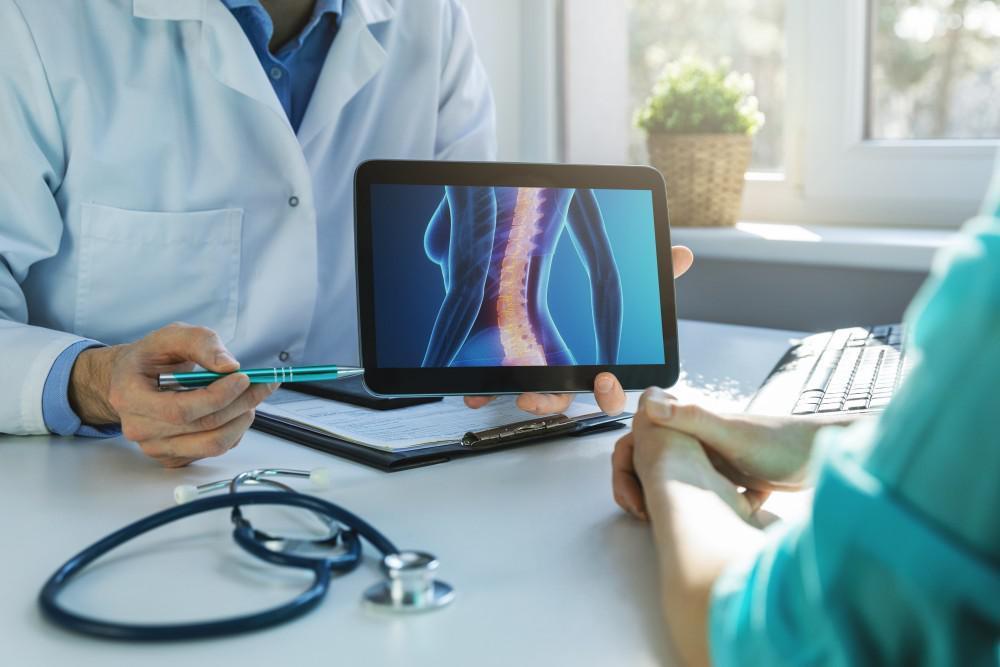

Failed back surgery can leave patients with ongoing pain, limited mobility, and poor quality of life despite previous treatment. Spinal cord stimulation (SCS therapy) is a pain management option that uses mild electrical impulses to interrupt pain signals before they reach the brain. For some patients, this treatment may reduce chronic back or leg pain and improve daily function. Here is more information on how SCS therapy can help patients with failed back surgery:
Reviewing Post-Surgery Pain
Doctors must perform a thorough physical evaluation of existing symptoms before recommending spinal cord stimulation, and the assessment identifies the exact source of discomfort. A complete clinical review requires advanced diagnostic imaging alongside a detailed physical examination. As patients describe their daily pain patterns, specialized physicians categorize the sensations into the following distinct groups:
- Nerve damage assessments: Patients often report sharp sensations shooting down their lower legs.
- Structural shifting analysis: Biomechanical changes in the spinal column create deep muscle aches.
- Scar tissue formation: The body forms dense tissue around the surgical site, and this restricts nerve movement.
Medical teams analyze these specific physiological symptoms carefully, and they use the data to determine appropriate treatments.
Exploring the Stimulation Trial
Patients do not commit to a permanent surgical implant immediately; they first undergo a brief testing phase to evaluate the potential benefits of SCS therapy. A trained physician places temporary electrical wires into the epidural space using a specialized hollow needle. After the doctor secures the external generator, the patient returns home.
During this trial period, individuals monitor their pain levels daily, and they document notable improvements in physical mobility. The temporary trial phase acts as a fundamental step in predicting long-term therapeutic success. If the external device reduces baseline pain significantly, doctors will recommend moving to the permanent implantation stage.
Supporting Pain Relief
Spinal cord stimulation continuously intercepts erratic pain signals; the mechanism masks severe discomfort with a mild tingling sensation. Some newer stimulation devices operate silently without producing any noticeable physical sensations for the patient. Although the underlying structural back issue remains present, the brain no longer registers the severe pain. This significant reduction in chronic pain allows patients to participate in physical therapy, and they can rebuild their diminished physical strength. Improved daily mobility serves as a key clinical outcome for individuals recovering from failed back surgery syndrome.
Planning Long-Term Care
Managing a spinal cord stimulator requires ongoing clinical attention, and patients must follow specific medical guidelines. Medical providers conduct routine clinical check-ups to closely monitor internal systems. Here is how specialists provide long-term care:
- Battery maintenance protocols: Some modern systems feature recharge-free batteries that effortlessly last up to ten years.
- Activity modification rules: Patients must strictly avoid extreme bending motions to protect the delicate internal wires.
- Routine programming sessions: Clinicians carefully adjust the electrical output to match the individual’s changing pain patterns.
Regular communication with the specialist and clinic remains a helpful practice for all patients with implants.
Learn More About Spinal Cord Stimulation
Failed back surgery leaves individuals searching for medical answers, but spinal cord stimulation provides a reliable approach. This technology effectively bypasses structural spinal issues to directly treat localized nerve pain. Medical advancements continue to refine these implanted electrical systems, and the available therapies become much more effective over time. Contact a qualified pain specialist near you to schedule your appointment and learn more about SCS therapy today.
