
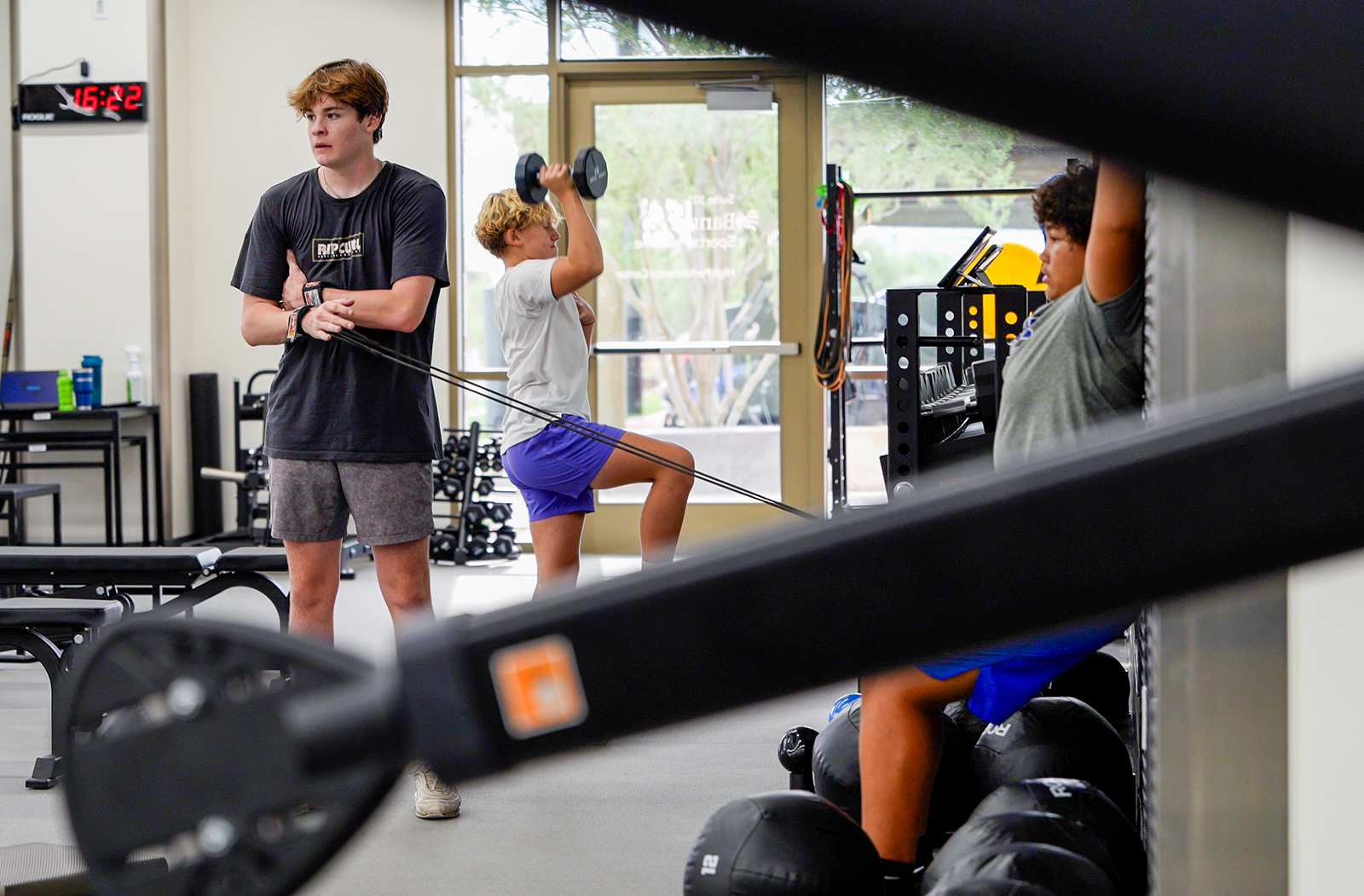

Sports medicine prepares athletes. Medical teams mitigate risks, and athletes follow training schedules. When seasons start, players have options to treat preexisting pain.
Evaluations for Joint Pain
Sports medicine doctors provide pain management. Some athletes experience knee pain, and physicians examine the area. Evaluation includes clinical assessment and imaging, and doctors gather injury history to guide next steps. In certain cases, PRP injections are offered as part of a broader care plan, and doctors observe patient responses. Athletic pain needs attention. Medical staff look for signs of tendon or muscle strain, and athletes practice stretching and specific physical therapy to support flexibility. Muscles handle frequent loads, and joints experience repeated impact. Overuse occurs with long training hours, and rest days are built into routines.
- Clinical assessment and detailed injury history
- Imaging such as MRI or X-ray
- PRP specialist consultations for back pain
- Physical therapy and stretching for leg pain
- Custom orthotics to support training
- Manual techniques for neck pain
- Core exercises for safe movement
- Active recovery and preventive education
When discomfort persists, experts use imaging tools and targeted therapies. Some athletes use plans for foot mechanics during training. Neck pain affects mobility. Players sometimes report stiffness or sharp sensations. Early identification supports the prevention of complications, and the medical staff offers structured advice. As seasons progress, doctors can adjust activity levels.
Applications of Regenerative Medicine
Sports medicine includes multiple generative methods. These approaches become part of recovery for knee, shoulder, or elbow injuries and are used with conventional care. Physicians discuss available options with patients, and care plans are individualized based on findings and medical advice. Recovery timelines differ by injury and intervention, so protocols adapt based on regular observations. Clinical oversight includes monitoring metrics, and they adjust swelling or mobility changes. Protocols are modified as necessary with oversight. Throughout care, communication informs athletes. Expectations are discussed to support planning and ongoing participation.
Interventions for Nerve Issues
A neuropathy specialist examines nerves, and players receive specific feedback. These evaluations use nerve conduction studies to find sources of numbness, tingling, or weakness. While athletes train, doctors address sciatica, and physical therapy is often included in care plans. Specialists suggest methods to support training. Radiofrequency ablation addresses pain signals. The procedure targets nerves, and it can support participation in competition. Because some conditions persist, routine monitoring occurs. Strategies are updated as needed.
Follow-up visits are scheduled to observe symptoms and inform ongoing pain management plans. Nerve health supports coordination. Consistent monitoring supports balance and motor control, and coaches use assessments to adjust training as needed. When symptoms subside, athletes return to practice and continue checkups over time. Ongoing follow-up helps those with prior nerve injury. Your specialist can identify early changes, and they support participation in sport.
Book Sports Medicine Today
Appointments support athletic goals. Preparation requires medical guidance, and clinics offer thorough evaluations. Before the season starts, schedule a visit. Sports medicine maintains health. Timely interventions manage conditions, and athletes focus on competition. Since schedules are demanding, proactive care matters, and experts remain available. Medical teams provide support, and athletes follow structured health plans. If you need guidance, the staff will assist you.
