
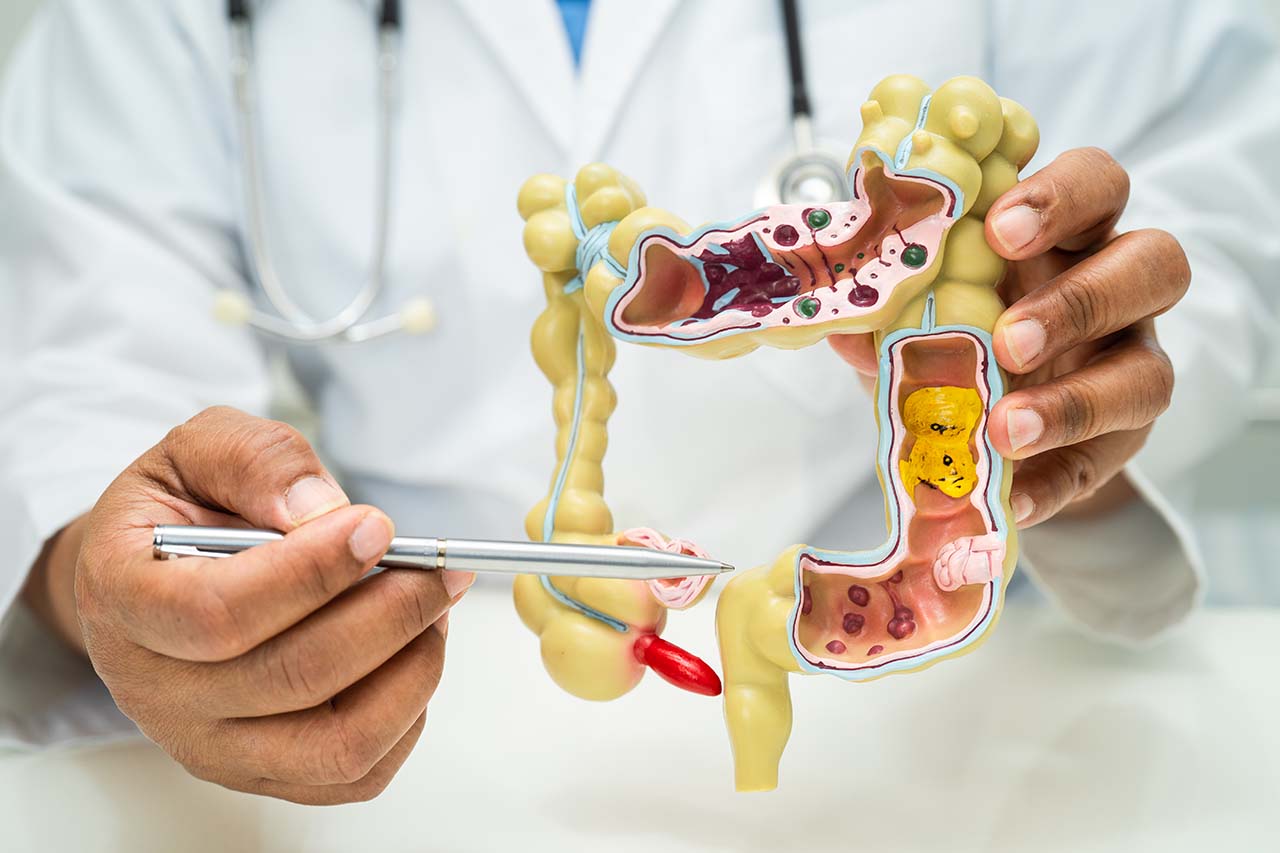

Colonoscopy is a significant screening and diagnostic procedure that supports the early detection of changes in the colon before more serious problems develop. It is often used to identify polyps, investigate symptoms, and help reduce the risk of colorectal disease through timely intervention. Here is a closer look at the role colonoscopy plays in preventive health:
Detecting Problems Early
Finding abnormalities in their initial stages is a fundamental benefit of a colonoscopy. Polyps often grow slowly over several years, and doctors can easily locate these small growths during a routine exam. When a physician removes a polyp early, the patient can avoid a potential cancer diagnosis.
Colorectal cancer rarely shows symptoms during its earliest phases. Routine screenings give medical professionals a clear view of the intestinal lining, and they can intervene before symptoms develop. Individuals who undergo regular testing generally experience fewer complications, which makes early detection a primary goal of preventive care.
Supporting Accurate Diagnosis
A colonoscopy offers several key benefits that contribute to accurate diagnosis and effective preventive care. Here are the primary ways this procedure supports early detection and minimizes risks:
- Direct Visualization of the Colon: Physicians can examine the entire colon and rectum to identify abnormalities, such as polyps or lesions, that may not be detected through other methods.
- Polyp Removal During the Procedure: Polyps found during the exam can be removed immediately, reducing the risk of progression to colorectal cancer.
- Tissue Biopsy Sampling: Suspicious areas can be biopsied on the spot, allowing for precise pathological analysis and timely intervention.
- Detection of Non-Symptomatic Conditions: Even in the absence of symptoms, a colonoscopy can uncover early signs of inflammation, infection, or cancer, facilitating early treatment.
These diagnostic benefits make a colonoscopy an invaluable tool in maintaining long-term gastrointestinal health and reducing cancer-related mortality rates.
Preventing Serious Issues
Preventive measures actively prevent diseases from causing significant harm. A doctor can remove precancerous polyps during a colonoscopy, and this immediate action can halt the process of cellular mutation. Advanced colorectal diseases often require extensive surgeries or aggressive treatments. A colonoscopy mitigates these risks, but patients must schedule the procedure at the recommended intervals. Staying current with screenings reduces the likelihood of severe interventions, which keeps the digestive system functioning normally.
Protecting Digestive Health
A colonoscopy plays a fundamental role in maintaining long-term digestive health by helping to identify and address potential issues early. Here are the key benefits and contributions of this procedure:
- Early Detection of Polyps or Other Anomalies: Identifying and removing polyps during a colonoscopy prevents them from becoming cancerous, significantly reducing the risk of colorectal cancer.
- Monitoring Chronic Digestive Conditions: The procedure helps track conditions such as inflammatory bowel disease (IBD), enabling timely adjustments to treatment plans.
- Prevention of Severe Digestive Complications: Regular screenings help detect abnormalities before they develop into more serious conditions, such as blockages or advanced disease.
Incorporating a colonoscopy into a routine health plan can help individuals protect their digestive system and overall well-being proactively.
Schedule Your Colonoscopy Appointment Today
A colonoscopy is an effective tool for identifying digestive diseases. The procedure offers clear diagnostic imagery, and it actively protects patients from developing advanced colorectal conditions. Contact a qualified gastroenterologist near you to schedule your colonoscopy appointment today.
