
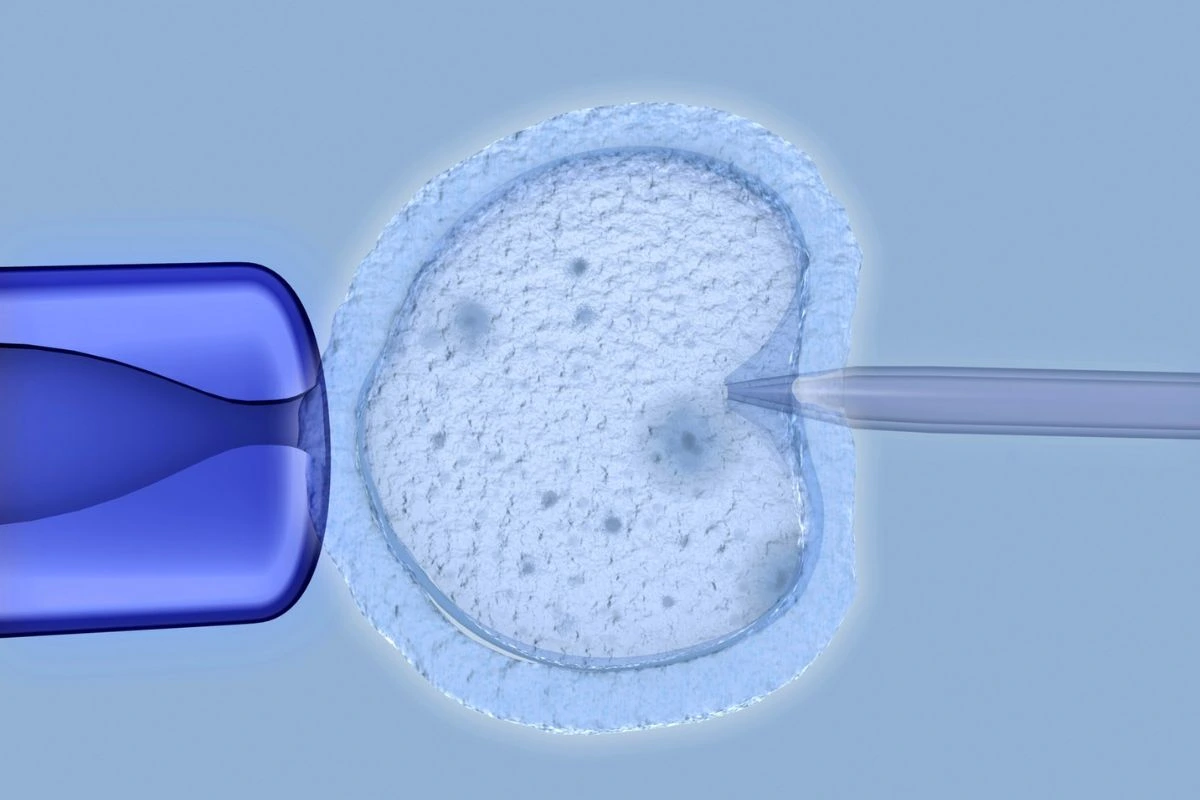

In vitro fertilization (IVF) is a series of procedures that assist with conception for family planning, usually performed at a fertility clinic. IVF involves fertilizing an egg outside the body, and the resulting embryo is then transferred into the uterus. During this process, reproductive specialists retrieve mature eggs from the ovaries and fertilize them with sperm in a laboratory environment. The entire process takes several weeks, requiring precise timing, monitoring, and medical support to optimize the chances of pregnancy. Here’s information on IVF and when a donor egg method is recommended:
When Is IVF Recommended?
In vitro fertilization is typically recommended when individuals or couples experience prolonged difficulties with conception. Some individuals face challenges with natural conception, so they choose IVF to help build their families at a fertility clinic. Common situations that lead to an IVF recommendation include:
- Blocked or Damaged Fallopian Tubes
- Severe Ovulation Disorders
- Premature Ovarian Failure
- Decreased Sperm Count
Individuals with specific genetic disorders may use IVF combined with preimplantation genetic testing to screen embryos before the transfer occurs. This helps reduce the risk of passing inherited conditions to the child. The decision to pursue IVF relies on thorough consultations, physical examinations, and diagnostic testing conducted by reproductive specialists.
What Is a Donor Egg?
A donor egg is an ovum gamete provided by an individual other than one of the intended parents. For women or people assigned female at birth who cannot produce viable eggs, donor egg IVF may be beneficial. Donors are typically young, healthy individuals who undergo extensive medical, genetic, and psychological screening before participating in the process.
This rigorous screening makes sure egg donors meet clinical health criteria and fully understand the commitment involved in this process. Egg donation arrangements can be anonymous through an established agency, or the intended parents may use a known donor, such as a family member or friend. Using a donor egg allows the intended gestational carrier to experience pregnancy, carry the child to term, and give birth.
How Does Donor Egg IVF Work?
The donor egg IVF process involves careful synchronization between the egg donor and the recipient, often through a fertility clinic. First, the donor takes fertility medications to stimulate their ovaries, encouraging the production of multiple mature eggs simultaneously. This donation happens while a recipient receives targeted hormonal preparations to thicken their uterine lining for the incoming embryo.
Once the donor’s eggs reach maturity, a specialist extracts them during a minor surgical procedure. The donor undergoes this retrieval procedure, and the laboratory fertilizes the collected eggs with sperm. This sperm can come from an intended parent or an extensively screened sperm donor. The fertilized eggs may develop into embryos over several days in a highly controlled laboratory setting that mimics the human body’s natural environment.
Following this development period, a specialist selects one or more healthy embryos for the final IVF transfer. The transfer procedure involves passing a thin, flexible catheter through the cervix to deposit the embryo directly into the recipient’s uterus. The recipient continues hormonal support after the embryo transfer, waiting for a blood test to confirm if implantation was successful. When implantation occurs, that means the recipient is pregnant.
Contact a Fertility Clinic Today
Donor egg in vitro fertilization is one of many IVF methods available. IVF procedures involve precise timing, specialized medical care, and thorough evaluation of all participants involved. If you are interested in this family-building option, schedule a consultation with a fertility specialist for personalized information and guidance. Contact a fertility clinic today to learn more about your options and begin the clinical evaluation process.
