
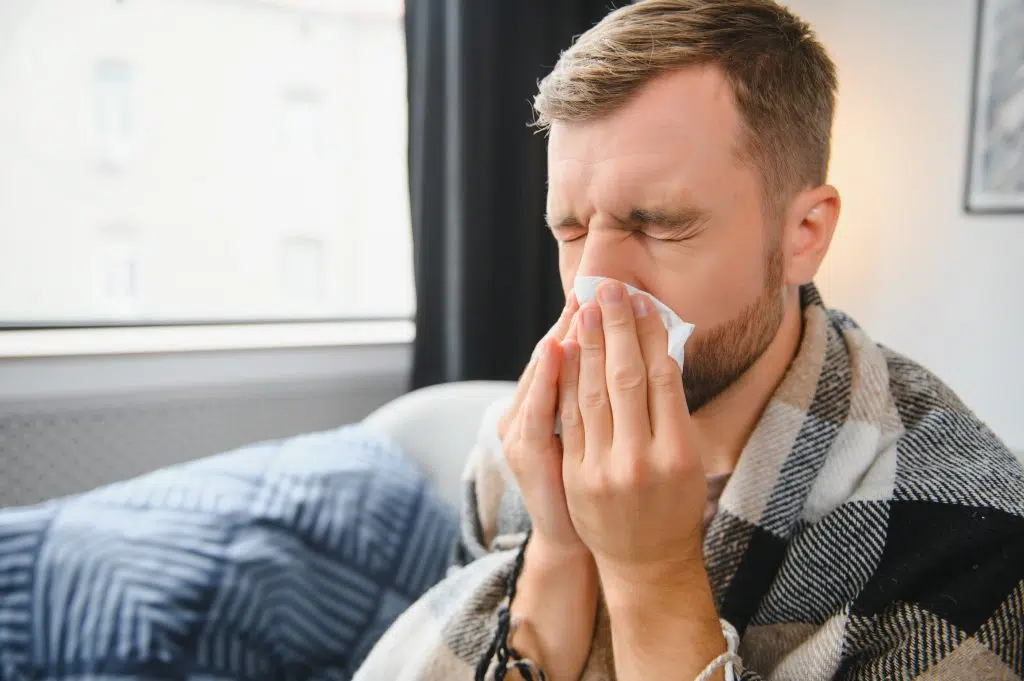

An allergic reaction gets triggered by a wide range of environmental factors, many of which are common in the home. From dust mites and pet dander to mold and household chemicals, these hidden allergens can significantly impact respiratory health and overall well-being. Identifying and addressing these triggers is a key step in reducing exposure and preventing recurring symptoms.
High-Risk Allergen-Trapping Surfaces
Soft furnishings like carpets and drapes act like sponges for indoor pollutants. They trap dust mites and pet dander, releasing them when disturbed, which sometimes causes an allergic reaction. You should vacuum these surfaces regularly, and you might contemplate hard flooring instead. Upholstered furniture also poses a challenge since it collects dead skin cells.
Bedding is another area that requires your attention. Mattresses and pillows absorb sweat and skin cells nightly, creating a haven for dust mites. You should enclose your mattress in a dust-mite-proof cover to block these intruders. Washing your sheets and pillowcases weekly in hot water provides another helpful defense.
Moisture-Prone Mold Growth Areas
Mold loves dark, damp environments, and it multiplies fast with a steady moisture source. Bathrooms require close attention, as hot showers produce large amounts of steam daily. Your exhaust fans must work properly because they pull this excess moisture from the room. Wiping down shower walls after use also helps to reduce spore development. Basements and crawl spaces also harbor ideal conditions.
Indoor potted plants can also introduce fungal issues because overwatering your houseplants creates soggy soil. This dampness encourages mold spores to bloom, so you should let the top layer of dirt dry out. Let the soil dry completely before you water again. Here are some quick tips to prevent mold:
- Use an exhaust fan in your bathroom.
- Keep basement humidity below fifty percent.
- Wipe down your shower walls after use.
- Avoid overwatering your indoor plants.
Overlooked Airborne Allergen Sources
Your heating and cooling systems circulate air, but they can also spread invisible irritants throughout your home. HVAC filters need regular replacement because dirty filters fail to catch tiny particles effectively. A clogged system distributes dust and dander into your living areas when the blower kicks on. You should upgrade to high-efficiency particulate air filters and replace them according to the manufacturer’s schedule.
Other overlooked mechanisms constantly circulate indoor pollutants, so you need to monitor these features carefully. We recommend checking a few specific items to limit your daily exposure, including AC vents and freestanding fans. Opening windows during high-pollen seasons can also be a problem.
Everyday Allergy Trigger Items
Many ordinary objects in your living space can act as magnets for microscopic triggers. Stuffed animals and decorative pillows collect large amounts of dust, so you should wash them weekly. Children often sleep with these plush toys, and this close contact sometimes provokes allergy symptoms. You should wash these items in hot water or freeze them overnight to neutralize mites.
Personal care and cleaning products can also be a problem, for they sometimes contain harsh chemicals. Strong artificial fragrances may irritate your respiratory tract, causing symptoms similar to a dust allergy. If you experience this, you might want to switch to unscented detergents to see if your breathing improves. We recommend evaluating the following household products for artificial scents:
- Laundry detergents and fabric softeners
- Air fresheners and scented candles
- Multi-purpose surface cleaners
- Aerosol bathroom sprays
Book Your Allergic Reaction Consultation
Finding and addressing hidden triggers in your living space remains a key step toward improving your daily comfort. By targeting moisture-prone areas and cleaning soft surfaces, you can reduce the chances of experiencing a sudden hypersensitivity reaction. Sometimes, even the most productive cleaning routines cannot eliminate stubborn respiratory issues. If you or a loved one continues to suffer from severe symptoms, seek immediate professional help. An uncontrolled allergic reaction can escalate rapidly, and it may require immediate medical evaluation to stabilize the condition. Before that happens, book a consultation with a specialist near you for a thorough evaluation and effective, personalized treatment plan.
