
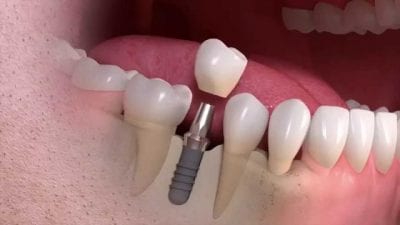

A dental implant is a small titanium post that acts as an artificial tooth root, providing a stable foundation for a replacement tooth. When a natural tooth is missing, an implant can fill the gap and help maintain the structure of your jaw. The process of getting a dental implant involves multiple stages, and each phase requires specific attention. Depending on your situation, the timeline can range from a few months to over a year. Understanding these steps can help you prepare for the appointments and understand what to expect during your visits.
Dental Implant Surgery
The first primary stage of the process is the surgical placement of the dental implant post. Before the procedure begins, your dental provider will take comprehensive imaging, such as X-rays, to assess your bone density. These images help map out the exact placement. If a damaged tooth remains, the dentist will extract it before placing the implant. During the surgery, the dental professional makes a small incision in the gum to expose the bone, then carefully places the titanium post directly into the jaw. This initial procedure is typically completed under local anesthesia, so patients remain comfortable throughout the appointment. The dental provider may fit a temporary tooth or cap over the implant while you heal, depending on the position of the gap.
Your dentist may also determine that a bone graft is necessary for the long-term success of the implant. A bone graft strengthens the foundation, and it creates a more stable base for the implant. This procedure is performed if the existing jawbone is too thin or soft to adequately support the titanium post.
Healing Phase
Following the surgery, you enter a period known as osseointegration. During this phase, the jawbone slowly grows and fuses around the surface of the titanium implant. This biological bonding is what gives the implant its long-term stability. The healing process takes several months to complete, but it establishes the necessary foundation for your final restoration.
Dentists recommend proper care during the healing phase, and your dentist will provide specific instructions to protect the surgical site. You will likely need to consume a soft diet for a designated period to avoid placing excessive pressure on the healing implant. Maintaining oral hygiene is also required to keep the area clean and prevent complications. You will attend follow-up appointments so your dentist can monitor the integration progress and verify that the tissues are healing appropriately.
Abutment Placement and Final Restoration
Once your dentist confirms that the implant has successfully fused with the jawbone, you will proceed to the abutment placement. The abutment is a small connector that attaches directly to the titanium post, and it serves as the base for your new artificial tooth. Placing the abutment often requires a minor procedure to gently reopen the gum tissue overlying the implant. After the abutment is secured, the gums must heal around it for a few weeks. Your dentist will take detailed impressions of your mouth once your gums have healed. These impressions are sent to a dental laboratory, where technicians craft your custom artificial tooth, known as a crown. The crown is designed to match the shape, size, and color of your surrounding natural teeth. In the final step of the process, your dentist attaches this permanent crown to the abutment, completing the restoration.
Speak With Your Dentist Today
Because every individual has a unique dental profile, the exact timeline and required procedures for a dental implant will vary from person to person. A qualified dental professional can evaluate your oral health, outline the specific steps required for your situation, and provide an estimate about the expected timeline. Schedule a consultation with your dentist to ask questions; learn more about how this procedure aligns with your needs.
