
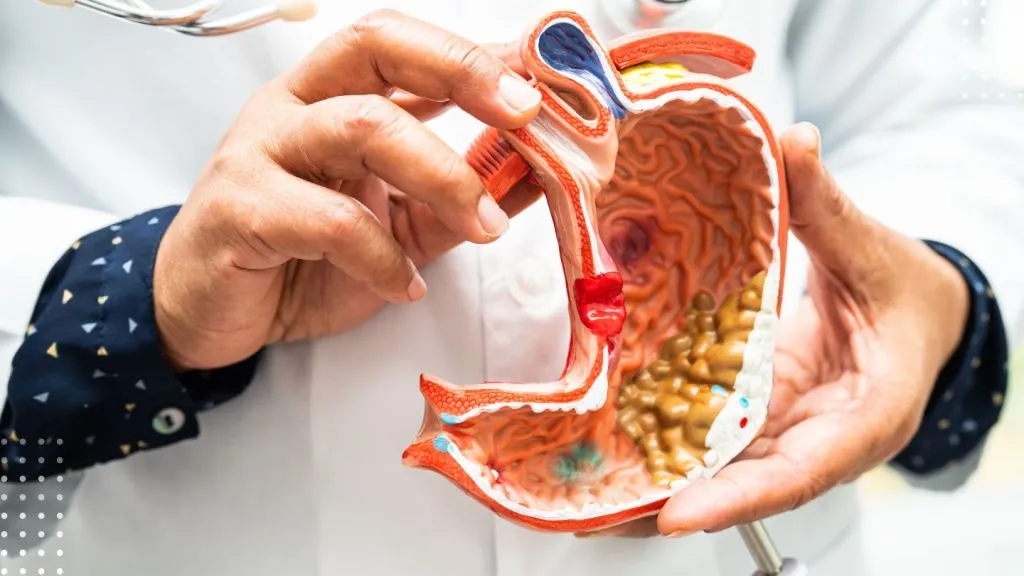

Metabolism is the series of processes through which the body converts food into energy. For individuals with severe obesity, metabolism can adapt in ways that make weight loss challenging, despite rigorous efforts with diet and exercise. Gastric sleeve surgery brings anatomical and hormonal changes that influence metabolic activity.
What Is Gastric Sleeve Surgery?
Gastric sleeve surgery is a bariatric procedure that removes about 80% of the stomach, leaving a slender, tube-shaped section. This smaller “sleeve” restricts food volume, limiting caloric intake with each meal. Reduced stomach size is only one aspect of how the surgery affects metabolism.
A key part of the procedure is the removal of stomach tissue that produces ghrelin, which is the hormone responsible for stimulating hunger. By lowering circulating ghrelin, sleeve surgery reduces the appetite signal to the brain, helping patients feel satisfied with less food. These hormonal changes collectively shift metabolic balance. Unlike some other bariatric operations, the digestive pathway is not rerouted, which allows for more typical digestion.
Who Is It For?
Gastric sleeve surgery is typically recommended for adults with a body mass index (BMI) of 40 or greater, or for those with a BMI of 35–39 and at least one serious weight-related health condition such as type 2 diabetes, heart disease, or sleep apnea. Candidates undergo a thorough evaluation by a multidisciplinary team, including medical, nutritional, and psychological assessments, to determine suitability for surgery. Potential patients must have previously attempted to lose weight through structured diet and physical activity programs under medical supervision. A mental health evaluation is also standard to make sure candidates understand the lifelong changes required, such as dietary adjustments and regular follow-up appointments. Patients are expected to commit to active participation in postoperative care.
What Are the Results?
After gastric sleeve surgery, the most pronounced metabolic changes typically occur in the first year. Lower levels of hunger hormones and a smaller stomach encourage a significant drop in caloric intake, which supports rapid weight loss. Many people experience substantial reductions in excess body weight during the first year.
Many patients with type 2 diabetes see improved blood sugar control soon after the procedure. Despite these positive changes, the benefits are not automatic or permanent. Lifelong changes to dietary patterns, portion sizes, and physical activity routines are required to maintain improved metabolic health. Nutritional guidelines following surgery are specific, and fluid intake may also be monitored to reduce the risk of dehydration.
Micronutrient deficiencies are possible because of reduced stomach volume and changes to digestion. Patients are usually prescribed long-term supplementation for vitamins and minerals. Follow-up care involves consultations with a bariatric healthcare team, including medical professionals experienced in postoperative management. This guidance is integral for tracking progress, identifying potential complications, and adapting dietary and activity strategies as the body changes.
Speak With a Bariatric Expert
Gastric sleeve surgery can produce meaningful metabolic shifts, but it requires careful preparation and sustained follow-up. The support of clinicians skilled in bariatric care is recommended, helping to successfully navigate the changes that occur after surgery. Regular follow-up, nutritional monitoring, and individualized diet planning are part of long-term management.
