
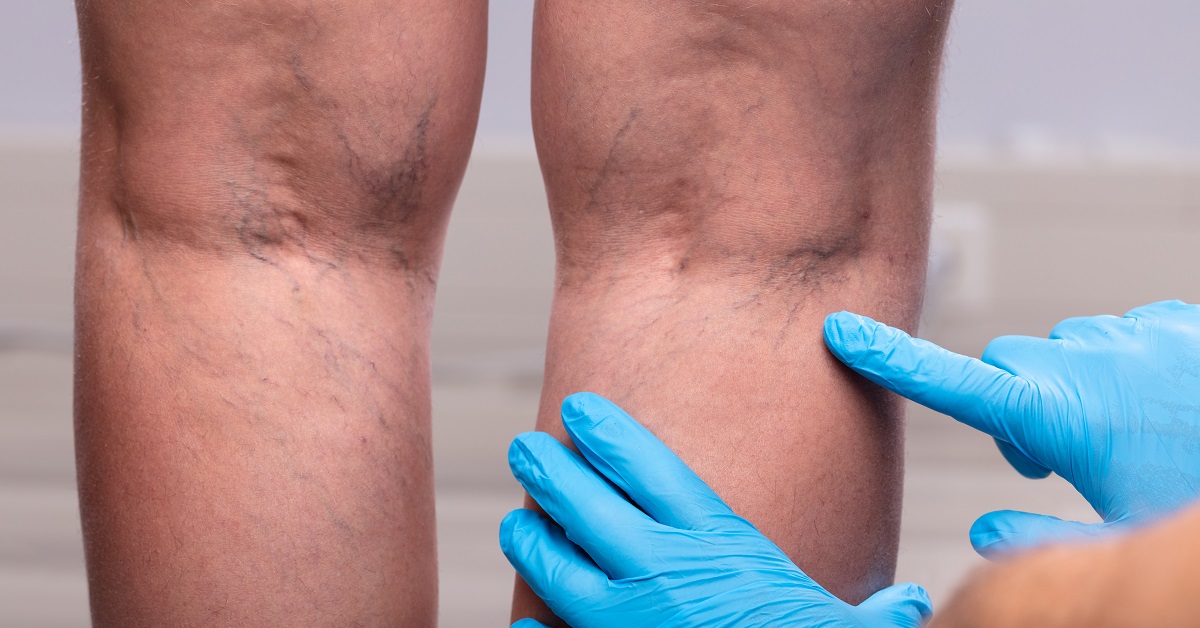

Vein issues affect many individuals and often require professional care. There are multiple different vein treatments available, and learning about these options facilitates informed decision-making. Here is more information on vein issues, their causes, symptoms, and treatment options:
What Are Vein Issues?
Vein issues typically involve malfunctioning valves in the blood vessels, causing blood to pool in the lower extremities. The pooling leads to enlarged or twisted veins, and doctors primarily classify them as varicose or spider veins. Identifying the specific type of abnormal vein guides the diagnostic process. It also helps the physician determine the most appropriate vein treatment.
The circulatory system relies on one-way valves to push blood back to the heart, and gravity constantly works against this upward flow in the legs. When the valves fail to close properly, the backward flow increases venous pressure. This chronic venous hypertension physically stretches the vessel walls.
What Causes Them?
Several physical factors contribute to the development of venous insufficiency, and genetics may play a primary role in a patient’s susceptibility. Extended periods of standing or sitting increase pressure in the legs, which weakens the structural integrity of the blood vessels. Age and hormonal changes also affect vein health. These changes may lead to valve degradation.
Pregnancy introduces circulatory demands on the female body. The corresponding increase in overall blood volume stretches the venous network, which may trigger the onset of new varicosities. A sedentary lifestyle also contributes to poor circulation, and the lack of calf muscle contractions prevents adequate blood return from the lower extremities.
What Are the Symptoms?
Patients with compromised veins present with a variety of clinical signs, including visible bulging cords beneath the skin. Affected individuals often report a persistent aching or throbbing sensation in their legs, and they may experience muscle cramping at night. Swelling around the ankles may occur after prolonged activity.
What Is Vein Treatment?
Vein treatment encompasses various medical procedures designed to correct or remove damaged blood vessels, with the primary goal of redirecting blood flow to healthier veins. These clinical interventions address both the cosmetic appearance of the veins and the underlying physical discomfort. Physicians evaluate the severity of the condition, and they select a specific procedure based on the patient’s anatomical needs.
What Are the Different Types?
Medical professionals use several techniques to address venous insufficiency, and these methods rely on different mechanisms of action. The choice of procedure depends on the size of the target vein and the exact location of the damaged vessel. Three modalities include endovenous laser ablation, sclerotherapy, and ambulatory microphlebectomy.
Endovenous laser ablation uses targeted thermal energy to close off the affected vein, and the body subsequently reroutes the blood supply naturally. Sclerotherapy involves injecting a chemical solution directly into the vessel, which irritates the vein walls, causing them to collapse and fade over time. Ambulatory microphlebectomy physically removes superficial varicose veins through tiny incisions.
Specialists may combine these therapeutic modalities, and a comprehensive care plan addresses both deep and superficial venous structures. The treating physician monitors the closure of the veins to verify the success of the medical intervention. Compression stockings assist the healing process after these procedures. They help reduce postoperative swelling in the treated leg.
Consult a Vascular Specialist Today
Understanding the nature of venous conditions prepares individuals for medical evaluations, and recognizing the available treatments facilitates productive clinical conversations. Patients experiencing symptoms of venous insufficiency should seek professional medical advice. Schedule an appointment with a local clinic to discuss your specific diagnostic results with a certified vascular specialist.
