
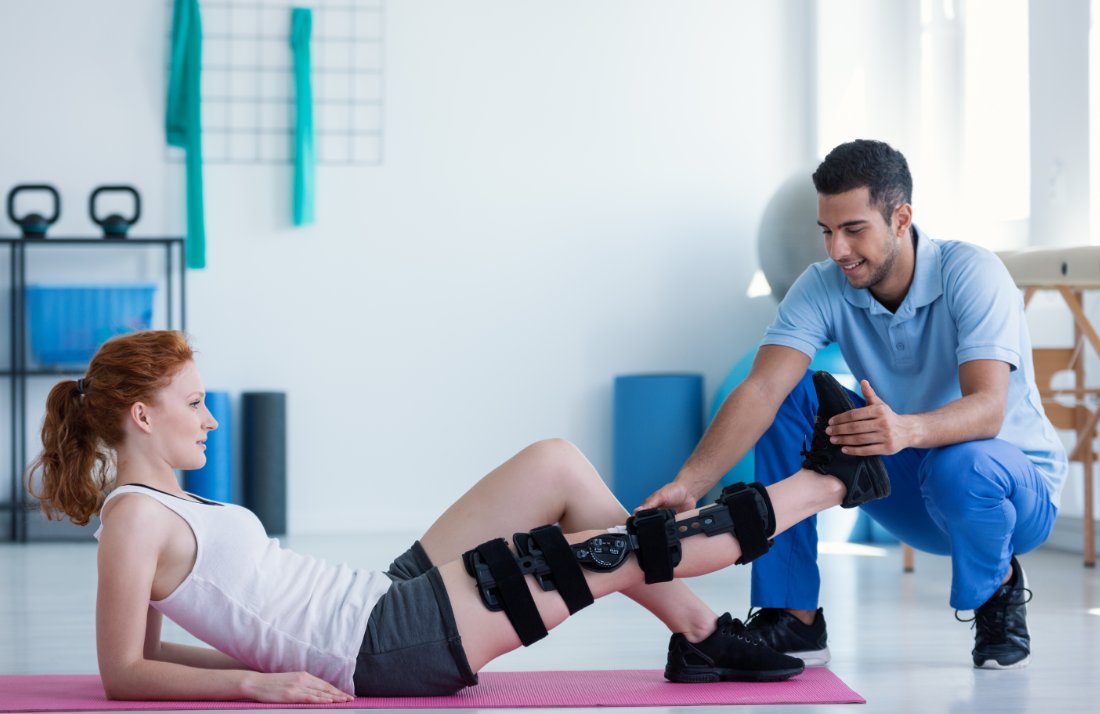

Sports injuries can interrupt training, competition, and overall physical performance, making proper recovery fundamental for a safe return to activity. Sports medicine focuses on the prevention, diagnosis, treatment, and rehabilitation of injuries related to physical activity. It helps athletes recover with care plans tailored to their specific needs and performance goals. Here’s a closer look at how sports and exercise medicine helps athletes return to play after injury:
Evaluating the Injury
The first part of sports medicine is a full medical evaluation. Healthcare professionals use advanced tools, such as imaging tests, to determine what is damaged. They check how well the joints can move, and they figure out how the injury happened. After collecting all diagnostic information, doctors develop a plan customized for each athlete. This recovery plan guides every step the athlete will take to get better.
Having a clear timeline is a key part of this first stage. Doctors examine different factors to set realistic goals for each athlete, and the medical team keeps updating these goals as they monitor progress. If someone is healing faster than expected, the plan may be adjusted so they can move forward sooner.
Restoring Function
Rehabilitation is central to the recovery process after a sports injury. While rest is helpful to allow tissues to begin healing, physical activity guided by professionals helps the body get strong again. Here are some of the components sport medicine specialists use to restore function:
- Manual therapy techniques that improve isolated joint mobility and reduce stiffness.
- Progressive resistance exercises that systematically restore baseline muscular strength.
- Neuromuscular drills that stabilize biomechanical balance mechanisms during movement.
- Cardiovascular conditioning routines that safely maintain systemic physical endurance.
These treatments help athletes make measurable progress over time. Regular check-ups allow therapists to track these improvements, using facts and data to decide when it’s safe for someone to take on harder activities.
Monitoring Readiness
Sports medicine specialists use set criteria to decide when an athlete is ready to return to their sport. They evaluate strength to identify any weak areas, and they assess how well the athlete moves during sport-specific actions. The medical team conducts several tests to make sure the athletes can handle the full demands of their sport. If these tests show any physical problems, more rehab is usually needed; if everything looks good, the athlete is cleared to play.
Mental preparation is another key factor before an athlete returns to play. While muscles and joints may be healed, some athletes still feel unsure about moving at full speed or doing tough plays. Sports medicine experts assess an athlete’s readiness and may set up practice drills that look and feel like real games.
Preventing Future Injury
The relationship between the athlete and the sports medicine team does not end once recovery is complete. Ongoing sports injury care is key for long-term strength, flexibility, and safer performance. Here’s how specialists help prevent future injuries:
- Dynamic warm-up sequences that prepare tissues for maximum physical exertion.
- Targeted mobility drills that address specific mechanical joint restrictions safely.
- Load management protocols that prevent physiological overtraining.
- Periodic clinical assessments that identify emerging structural body deficits early.
Sports medicine specialists give athletes clear instructions and update them as training seasons and workout needs change.
Schedule Your Sports Medicine Consultation
Working with sports medicine specialists helps athletes return to their sport safely and in a structured way. Injuries can prevent someone from competing, but with the right medical support, athletes can regain their strength and skills step by step. Experts use clear test results to guide each stage of recovery, and they implement safety measures to reduce the risk of new injuries. Contact a qualified orthopedic specialist to schedule your sports medicine consultation today.
