

Women’s reproductive health is an important part of overall well-being. Proper gynecological care helps women maintain a healthy body, detect potential health problems early, and ensure reproductive health throughout different stages of life.
Many women only visit a gynecologist when they experience discomfort or symptoms. However, regular checkups and preventive care are essential even when there are no visible health problems.
Understanding reproductive health allows women to take better care of their bodies, make informed health decisions, and prevent serious medical conditions. From menstrual health to pregnancy and menopause, gynecological care plays a crucial role in every stage of a woman’s life.
This article explains the importance of reproductive health, common gynecological care practices, and steps every woman can take to protect her health.
Understanding Women’s Reproductive Health
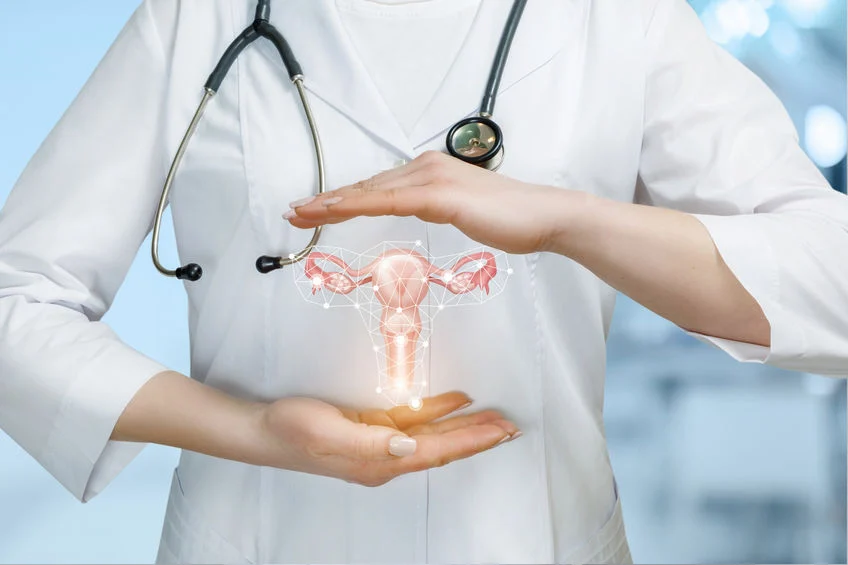
Women’s reproductive health refers to the proper functioning of the reproductive organs and hormonal systems. These include the uterus, ovaries, fallopian tubes, and vagina.
These organs work together to regulate menstrual cycles, fertility, pregnancy, and hormonal balance.
Hormones such as estrogen and progesterone control many bodily functions, including mood, metabolism, and bone health. When hormonal balance is disrupted, it can affect both reproductive health and overall wellness.
Maintaining reproductive health requires regular monitoring, healthy lifestyle habits, and medical guidance when needed.
Importance of Regular Gynecological Checkups
Routine gynecological visits are essential for monitoring reproductive health. These checkups allow healthcare providers to identify potential health issues before they become serious.
During a gynecological visit, doctors may perform:
- Pelvic examinations
- Pap smear tests
- Breast examinations
- Screening for infections
- Discussions about menstrual health and contraception
Regular checkups help detect problems such as infections, hormonal imbalances, and abnormal cell changes at an early stage.
Most experts recommend that women schedule a gynecological checkup at least once a year.
Understanding the Menstrual Cycle
The menstrual cycle is a natural process that prepares the body for pregnancy each month. A typical menstrual cycle lasts between 21 and 35 days, although it can vary from person to person.
The cycle includes several phases:
- Menstrual phase – shedding of the uterine lining
- Follicular phase – development of ovarian follicles
- Ovulation – release of an egg from the ovary
- Luteal phase – preparation of the uterus for pregnancy
Irregular periods may sometimes indicate hormonal changes, stress, lifestyle factors, or underlying medical conditions.
Tracking menstrual cycles can help women better understand their reproductive health and detect unusual changes.
Importance of Preventive Health Screenings
Preventive screenings are essential for detecting reproductive health issues early.
Some of the most important screenings include:
Pap Smear Test
A Pap smear checks for abnormal cells in the cervix that could lead to cervical cancer. Early detection greatly improves treatment outcomes.
Breast Examination
Regular breast exams help detect lumps or unusual changes that may indicate breast cancer.
Pelvic Examination
A pelvic exam allows doctors to check the uterus, ovaries, and surrounding tissues for abnormalities.
These screenings are crucial for maintaining long-term reproductive health.
Maintaining Hormonal Balance
Hormones play a key role in women’s health. When hormones become imbalanced, women may experience symptoms such as:
- Irregular periods
- Mood swings
- Weight changes
- Fatigue
- Acne
Several factors can influence hormonal balance, including stress, poor diet, lack of sleep, and certain medical conditions.
Maintaining a healthy lifestyle can support hormonal health and overall well-being.
Healthy Lifestyle Habits for Reproductive Health
Healthy lifestyle choices can significantly improve reproductive health.
Important habits include:
Balanced Nutrition
Eating a diet rich in fruits, vegetables, whole grains, and healthy fats supports hormonal balance and reproductive health.
Regular Physical Activity
Exercise improves blood circulation, reduces stress, and helps regulate hormones.
Adequate Sleep
Getting enough sleep supports hormonal stability and overall health.
Stress Management
Chronic stress can disrupt hormonal balance and affect menstrual cycles.
Practices such as meditation, yoga, and relaxation techniques can help manage stress effectively.
Recognizing Warning Signs
Women should pay attention to unusual symptoms that may indicate reproductive health issues.
Common warning signs include:
- Severe menstrual pain
- Extremely heavy bleeding
- Irregular menstrual cycles
- Persistent pelvic pain
- Unusual vaginal discharge
If these symptoms occur frequently, consulting a healthcare professional is recommended.
Conclusion
Women’s reproductive health is an essential part of overall wellness. Regular gynecological checkups, preventive screenings, and healthy lifestyle habits can help women maintain long-term reproductive health.
Understanding the body and recognizing early warning signs allows women to seek medical care when needed.
Taking proactive steps today can help ensure a healthier and more balanced life in the future.
FAQs
1. How often should women visit a gynecologist?
Most healthcare professionals recommend visiting a gynecologist at least once a year for routine checkups.
2. What is the purpose of a Pap smear test?
A Pap smear detects abnormal cervical cells that could lead to cervical cancer.
3. Are irregular periods normal?
Occasional irregular cycles can occur due to stress or hormonal changes, but persistent irregularity should be evaluated by a doctor.
4. At what age should women start seeing a gynecologist?
Many experts recommend the first visit between ages 13 and 15 or when menstrual cycles begin.
5. Why is reproductive health important?
Maintaining reproductive health helps prevent diseases, supports fertility, and ensures overall well-being.
