
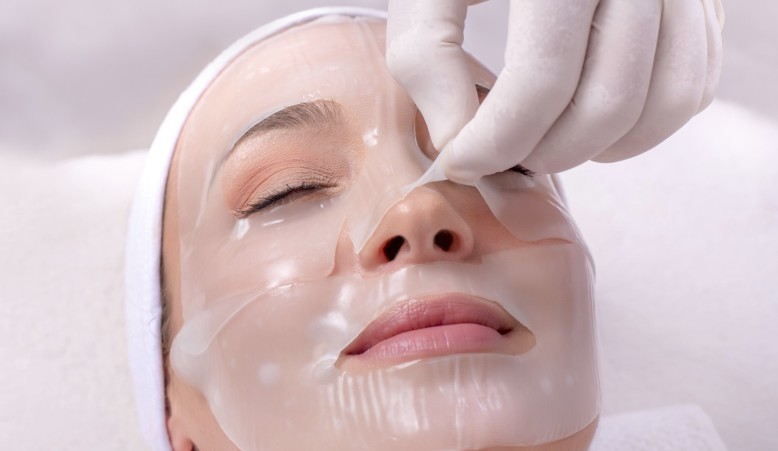

Dermatology care has a range of professional evaluations and procedures focused on the health and appearance of the skin, hair, and nails. Board-certified dermatologists diagnose skin conditions and provide targeted interventions to address medical and cosmetic needs. Dermatology services target various skin care needs using different technologies and mechanisms, and treatments are customized to individual needs. Here’s more information on skincare treatments and how they improve skin health and appearance:
Chemical Peel
A chemical peel is a controlled exfoliation process that addresses various superficial skin concerns. During this dermatology procedure, a clinical professional applies a customized chemical solution to the surface of the skin. Chemical peels use specific acids to break down cellular bonds, resulting in the controlled removal of dead skin cells. The depth of the peel, ranging from light to deep, determines the level of cellular turnover and the corresponding recovery time. As the uppermost layers shed, newer skin emerges from beneath.
Dermatologists frequently recommend this treatment for individuals dealing with concerns like:
- Acne
- Uneven Texture
- Irregular Pigmentation
Chemical peels can address residual acne scarring, but there are other ways to manage different types of acne. Other treatment options for acne include topical or oral prescriptions, which work systemically or locally to target bacteria, reduce inflammation, and regulate oil production.
Intense Pulsed Light Therapy
Intense pulsed light therapy, commonly referred to as IPL, utilizes broad-spectrum light to target specific color variations within the skin. Unlike traditional lasers that use a single focused wavelength, IPL devices emit scattered light across a range of wavelengths. This characteristic allows the therapy to address multiple chromophores, such as melanin in brown spots and malformations in blood vessels.
When light energy enters the skin, it is converted into heat. The device emits multiple wavelengths of light into the skin, and the targeted tissue absorbs this energy to address excess pigment. The body then naturally processes and eliminates these altered cells over the following weeks. Dermatologists utilize IPL to address sun damage, facial redness, and hyperpigmentation, aiming to create a more uniform skin tone without disrupting the outermost epidermal layer.
Microneedling
Microneedling relies on the body’s natural healing mechanisms; this procedure uses a device with fine, sterile needles that rapidly pierce the skin’s uppermost layers. Microneedling creates thousands of microscopic punctures in the dermis, and these tiny injuries trigger the body’s natural repair processes. In response to the controlled trauma, fibroblasts in the skin begin synthesizing new collagen and elastin fibers. These structural proteins are needed for maintaining the firmness and elasticity of the tissue. Clinical professionals use microneedling to address textural concerns, including acne scarring, enlarged pores, and overall skin structural degradation.
Find the Dermatology Services You Need
Every individual has different skin characteristics and biological responses, so a personalized approach is needed for effective dermatological care. To learn more about your treatment options, contact a dermatologist for a consultation. A clinical assessment is done to identify the underlying causes of your skin concerns before establishing an appropriate care plan. Learn how to improve your skin health by working with a dermatologist regularly.
