
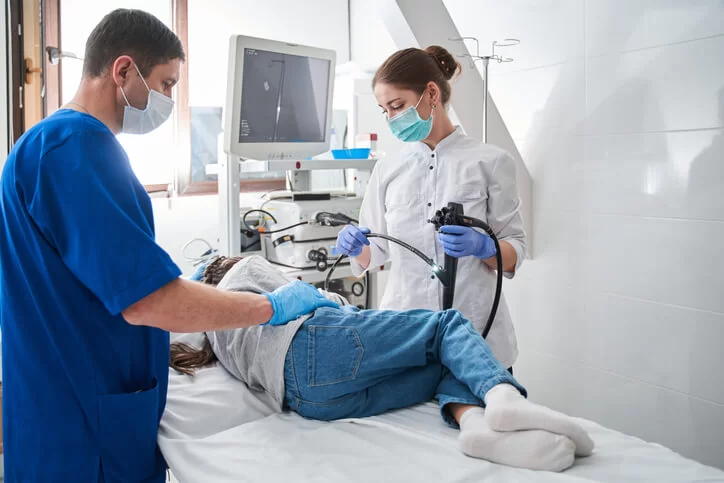

An endoscopy is a procedure that allows doctors to examine parts of the digestive tract closely and identify potential concerns affecting overall health. Learning how to prepare for an endoscopy, understanding the steps involved, and knowing which questions to ask beforehand can inform patients and prepare them for the appointment. Here is more information on preparing for your endoscopy and what you need to know:
How Do You Prepare?
You must follow certain preparatory steps before you arrive at the clinic for an endoscopy. The doctor will ask you to stop eating solid foods the day before your appointment, and you can only drink clear liquids. Fasting empties your stomach, which makes sure the camera can see your tissues clearly.
You should also review your daily medications with your doctor. Some medicines can increase the risk of bleeding, and the doctor may ask you to pause them. Make sure you arrange for a friend or family member to drive you home after the appointment. You will be given a sedative to relax you, and this medication impairs your ability to drive safely.
What Should You Expect?
The clinical team follows a precise sequence of steps when you arrive for your endoscopy. The medical staff will take you to the procedure room, and they will connect you to monitors that track your breathing and heart rate. You will experience the following steps during the actual procedure:
- The nurse will give you a sedative through an intravenous line to help you stay calm and relaxed.
- The doctor will carefully insert the endoscope into your mouth and guide it down your esophagus.
- The camera will transmit images to a video screen, and the doctor will inspect your stomach and upper intestine.
- The doctor may pass tiny tools through the tube to collect a tissue sample or stop bleeding.
The doctor will gently withdraw the tube once the examination is complete, and the nursing staff will move you to a recovery area.
What Happens After the Procedure?
You will rest in the recovery room until the sedative begins to wear off. The nurses will monitor your vital signs, and they will check your blood pressure and oxygen levels. The doctor will discuss the preliminary results with you once you are fully awake. If the doctor took a biopsy during the endoscopy, the laboratory will need several days to process the tissue sample. You must wait for the clinic to call you with the final laboratory results.
Patients often experience a mild sore throat after the tube is removed. You can drink cool water or eat soft foods, which help soothe the irritation. If you experience severe abdominal pain or a fever, you must contact your doctor immediately.
What Should Patients Know?
Patients should evaluate several facts before they undergo their first upper gastrointestinal exam. You should keep the following points in mind:
- The procedure is minimally invasive, and it does not require any surgical incisions.
- Doctors use this technology to investigate chronic heartburn, swallowing difficulties, and persistent diarrhea.
- The sedative keeps you comfortable, and you will not feel any pain while the tube is inside you.
- The doctor can treat certain conditions, like bleeding ulcers, at the same time they diagnose them.
An endoscopy is a safe and helpful diagnostic tool, and it provides accurate answers about your digestive health.
Book Your Endoscopy Appointment Today
An endoscopy provides a detailed view of your digestive tract to aid in the diagnosis and treatment of gastrointestinal disorders. The preparation requires fasting, the procedure uses a small camera, and the recovery involves a short rest period. Contact a qualified gastroenterology specialist near you to book your appointment for persistent stomach pain or digestive symptoms.
