
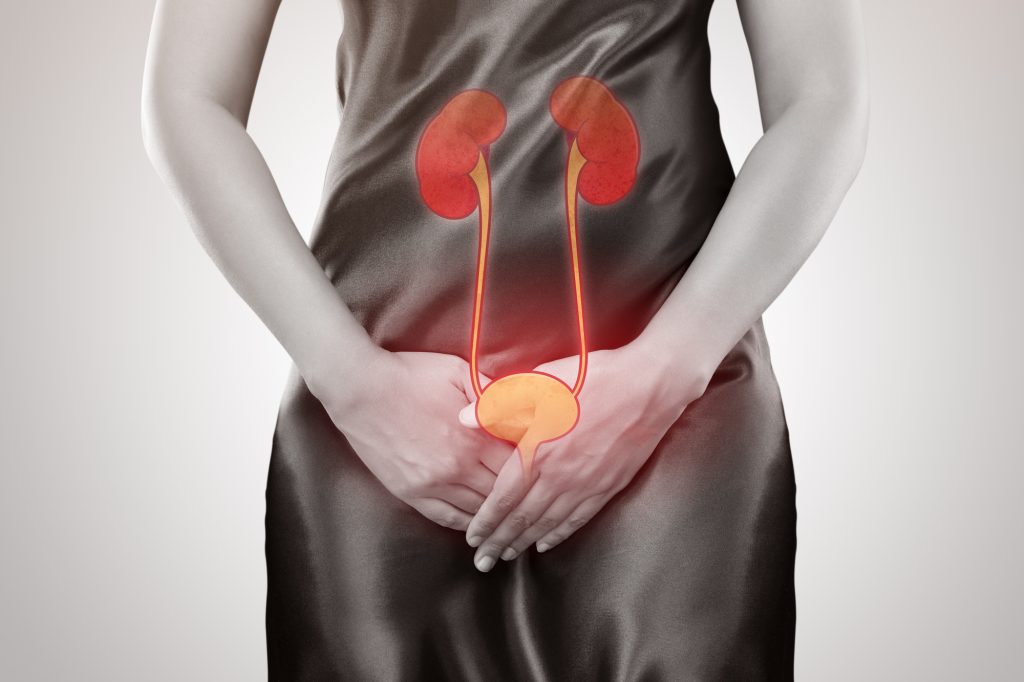

A chronic urinary tract infection requires careful management. You may notice frequent urination, and your lower back hurts. If bacteria enter your urinary tract, an infection can develop. Understanding this condition is the first step.
Indicators of Infection
Cloudy urine sometimes appears, and you might notice pelvic pressure. Your body can show these signs of a urinary tract infection. Strong-smelling urine sometimes occurs. Fatigue or fever develops. Pain when you pee, known as dysuria, sometimes happens with an infection. Blood in urine, also called hematuria, is possible. You may also notice foul-smelling urine. If you see dark urine or have a strong urge to urinate, leakage can occur. Some individuals experience pain in the lower abdomen. Chills often accompany fever, and nausea or vomiting are sometimes present. If you notice mental changes or confusion, seek prompt care.
You need medical attention, and professionals need to help assess your condition. Flank pain warrants further assessment. While urgency can persist, it helps to monitor symptoms and discuss them with your provider. Pressure can build in the lower part of your pelvis. You sometimes experience urge incontinence, and unexpected urine leakage happens. If bacteria multiply, you might notice increased fatigue. Pink urine is sometimes a warning sign. You will have a strong need to urinate, and lower abdominal pain may begin. If any symptoms escalate, contact a clinic, and healthcare professionals will offer guidance.
Methods of Diagnosis
Healthcare providers use specialized tests to achieve a diagnoses. Providers can order a urinalysis, and technicians examine your sample for key markers. They may request a urine culture, which helps identify the bacteria present. This also assists with choosing treatment. CT scans are used for more detailed internal images. Urine cultures take time to process. Your provider reviews test results, and they discuss next steps with you. During these tests, you provide a urine sample in a special container. Technicians check for markers that would indicate an infection. The sample is also tested for nitrites, which helps confirm infection. An ultrasound is used to image your urinary organs. A cystoscope allows the provider to view your bladder through the urethra if needed.
Options for Treatment
Medical interventions help address bacteria in your system. Providers prescribe antibiotics such as Amoxicillin, and you follow the prescribed course. Alongside medication, drinking water and wearing cotton underwear reduce some irritation during recovery. If you experience frequent UTIs, adjust your toileting habits and maintain good hygiene. Wiping from front to back helps limit bacteria. Avoiding vaginal deodorants and regularly changing period products may reduce irritation. Wearing loose, cotton clothing helps keep the area dry. Hydration supports urinary tract health. This is a general guideline. Fluids help flush out waste. Before sexual activity, emptying your bladder is helpful. Choosing a water-based lubricant is recommended. Some birth control methods, such as diaphragms, are linked with a higher UTI risk. Discuss alternatives with your provider to find what works best for you. Avoiding spermicide may lower irritation for some individuals.
Treat Your Urinary Tract Infection
You have the tools to manage UTIs. Recognize the symptoms early and seek prompt medical diagnosis. When you follow the treatment plan, your condition may improve. Start your preventive habits today. Because your health matters, prioritize hygiene and protect yourself.
