
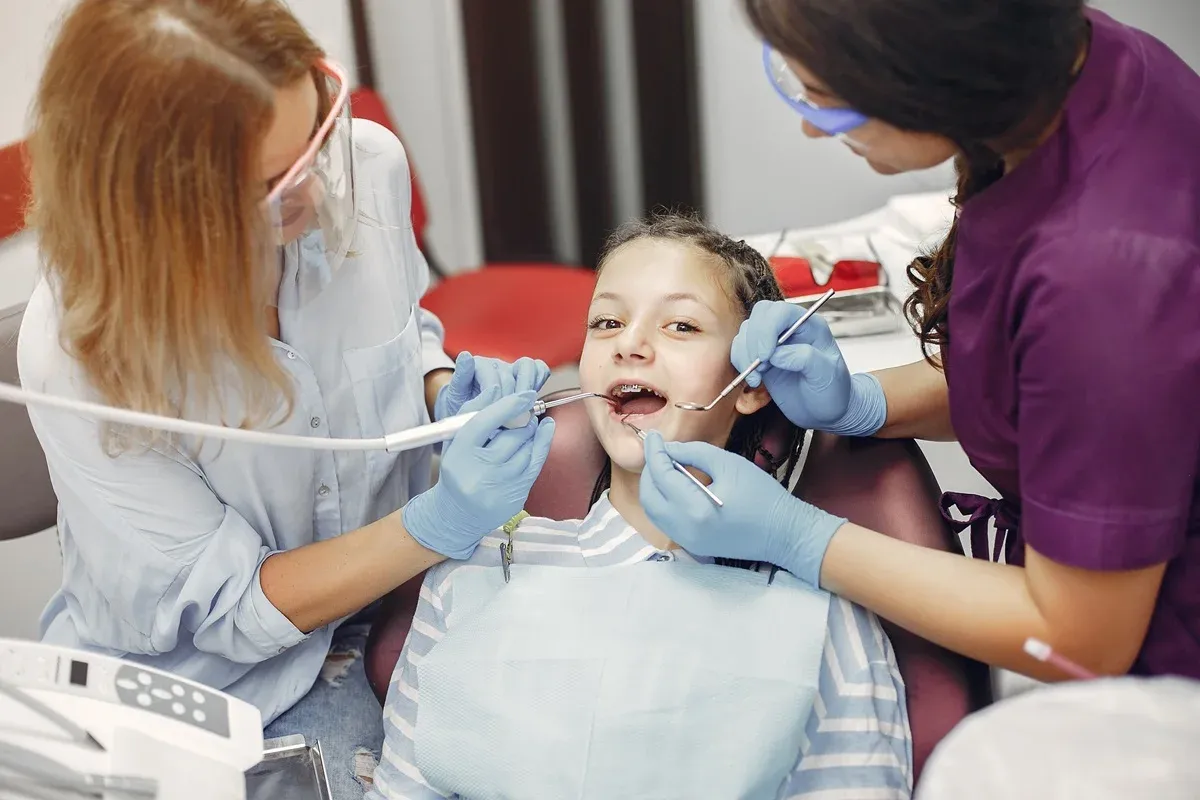

Pediatric dentistry plays a significant role in helping children begin their oral health care in a setting designed around comfort, prevention, and age-appropriate care. A positive first visit can reduce fear, build trust with the dental team, and encourage healthy habits that last well beyond childhood. Here is more information on how to create a positive experience for your child’s first pediatric dental care visit:
Prepare Your Child
Preparation begins several days before the scheduled appointment; parents can read books about dentists or watch educational videos showing a standard checkup. When you introduce these concepts early, children understand the dental environment better. Although detailed explanations may confuse young patients, brief descriptions work well.
Tell your child that the dentist will count their teeth using a small mirror; avoid negative words and use neutral terms to describe all dental tools. Practice sessions at home serve as helpful preparatory tools for your pediatric dentistry visit. You can look inside their mouth with a flashlight, and they can practice keeping their mouth open wide.
Know What To Expect
A standard pediatric dentistry visit follows a specific protocol. The staff welcomes the family, and the dental team begins the preliminary assessment. Here’s what patients can expect:
- Initial greeting: The dental team introduces themselves to the patient to establish familiarity.
- Oral examination: The dentist inspects the teeth, gums, and jaw for proper physical development.
- Gentle cleaning: A hygienist removes localized plaque using specialized clinical instruments.
- Consultation: The provider discusses findings with the parents and recommends daily care routines.
After the team finishes these steps, the dentist answers any remaining questions. The staff schedules the next routine visit, and they update the patient’s medical file.
Help Your Child Feel Safe
A parent’s physical presence provides a fundamental level of security; infants might sit on a parent’s lap, and older children sit independently in the dental chair. You can hold their hand, but you must let the dental professionals guide the appointment. Distraction techniques often reduce apprehension in younger patients. Some clinics offer overhead screens, or parents can bring a small comfort item from home. When a child holds a familiar object, they generally remain still during the physical examination.
Build a Positive Routine
Consistent home care reinforces the lessons learned from the dentist. You should supervise your child’s technique and make sure they use the correct amount of toothpaste. Here’s how to build positive dental routines at home:
- Twice-daily brushing: Clean the teeth in the morning and at night using a soft-bristle brush.
- Flossing integration: Introduce floss to clean the spaces between adjacent teeth.
- Dietary management: Limit sugary snacks to prevent early enamel degradation.
- Regular monitoring: Check the mouth periodically for newly erupted teeth or visible changes.
These daily practices maintain the results of professional pediatric dentistry. Parents enforce the daily rules, and children learn the required motor skills over time.
Book Your Pediatric Dentistry Appointment
Good oral hygiene in children begins with preventive measures and consistent routines at home. Regular brushing and flossing, dietary management to limit sugary snacks, and periodic monitoring of their growing teeth are key components. These practices, supported by professional pediatric dentistry, help safeguard your child’s smile and build lifelong habits for optimal oral health. Contact a qualified dentist near you to book your child’s pediatric dental care appointment today.
