
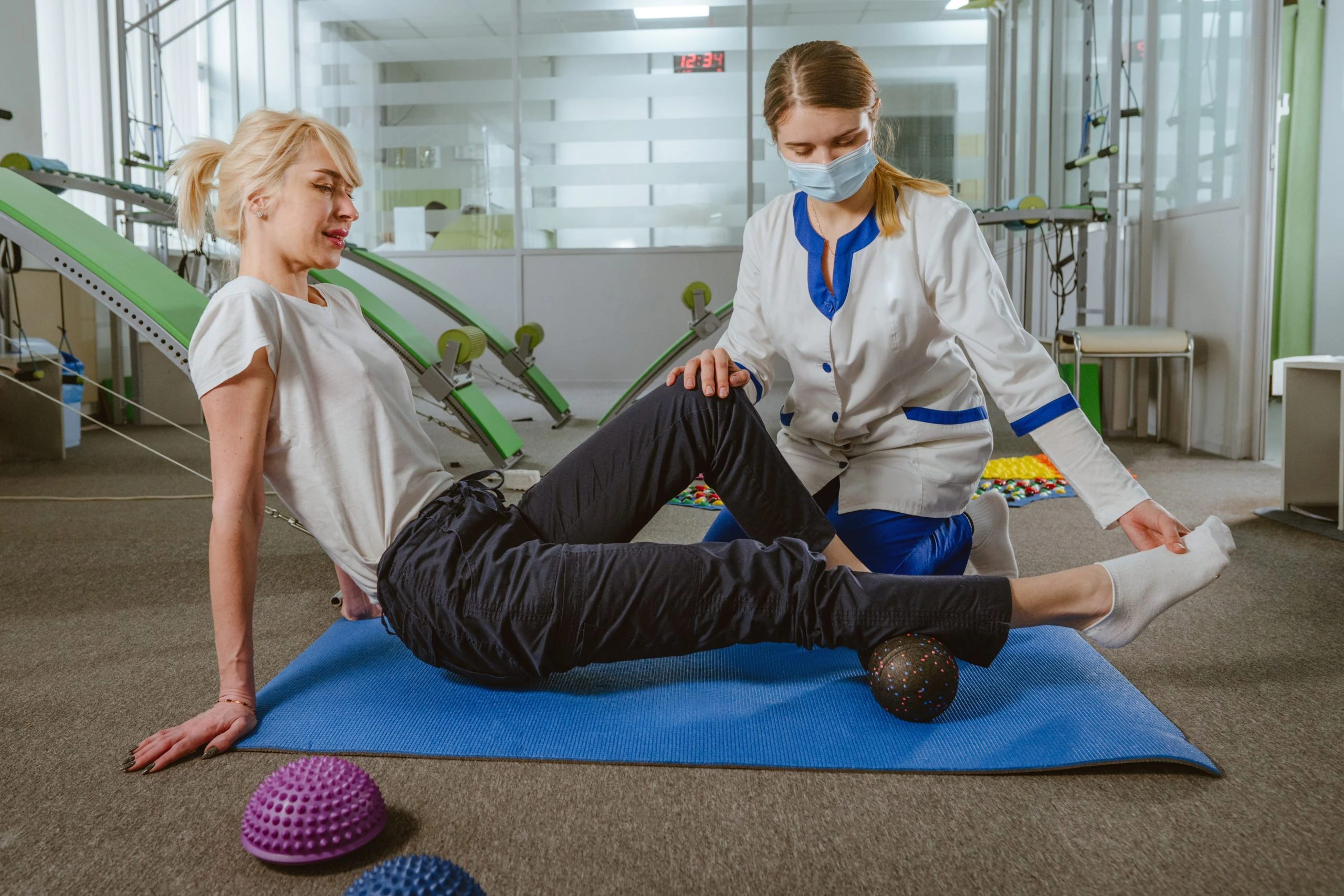

Peripheral neuropathy involves damage to peripheral nerves. Medical conditions cause this damage, and symptoms affect sensory and motor function. When peripheral neuropathy develops, signals change, and individuals experience numbness, pain, or weakness that interferes with daily activities. Diabetes is a common cause of peripheral neuropathy. Blood sugar levels affect nerve health, and prolonged imbalance contributes to nerve damage, which leads to persistent symptoms.
Managing Peripheral Neuropathy Treatments
Medical providers use several methods to manage peripheral neuropathy. Treatment includes medications, and providers may adjust plans when symptoms continue. If standard medications do not relieve peripheral neuropathy symptoms, providers introduce other therapies, and these approaches target nerve-related discomfort while supporting function. Platelet-rich plasma contains growth factors. These factors support tissue repair, and they may assist healing processes when applied, which can reduce inflammation.
Stem cell therapy is another option. Providers obtain cells from body tissues, and they prepare them for therapeutic use. Because these cells can develop into different cell types, they support tissue repair, and this process may contribute to improved nerve function in some cases. Treatment plans vary across individuals. Peripheral neuropathy affects movement and sensation, and management focuses on symptom control while limiting further nerve damage.
Practicing Physical Care
Daily foot care reduces complications. People inspect their feet, and they check for cuts, blisters, or irritation. When changes appear, individuals respond early, and this reduces the risk of infection that can result from unnoticed injuries. Proper footwear protects the feet. Shoes affect pressure, and well-fitted options reduce irritation, which can limit discomfort.
Clothing choices influence skin protection. Soft fabrics reduce friction, and loose items prevent pressure on sensitive areas. Although certain positions may feel comfortable, pressure on nerves can increase symptoms, and individuals adjust posture to reduce strain. Diet supports general health. People eat balanced meals, and they include whole foods that support body function, which may help maintain overall condition.
Exercise supports physical function. Activity improves strength, and it may reduce discomfort over time. When individuals follow structured routines, they stay active, and they avoid overexertion that can worsen symptoms. Movement habits matter. People limit prolonged pressure, and they include regular motion throughout the day, which helps reduce strain on affected areas.
Applying Coping Skills
Coping strategies support daily function. People plan activities, and they adjust tasks based on energy levels. When individuals organize responsibilities, they manage demands, and this approach reduces stress that can worsen symptoms. Social support plays a role. Individuals connect with others, and shared experiences provide practical insight, which can assist with symptom management.
Professional support may also help. Counseling provides guidance, and structured support offers strategies for managing stress. When individuals prepare for difficult situations, they feel more control, and this preparation reduces the impact of symptom changes. Emotional balance matters. People recognize challenges, and they maintain routines that support stability, which helps sustain daily function.
Promoting Sleep Habits
Sleep problems occur with chronic pain. People adjust habits, and they follow consistent sleep schedules. When individuals limit caffeine and avoid tobacco, they support better rest, and these changes help reduce sleep disruption. Sleep environments affect comfort. People adjust bedding, and supportive positions reduce pressure, which may decrease nighttime discomfort.
Relaxation techniques support sleep. Individuals use calming activities, and these methods may improve sleep onset. When people avoid screens before bed, they reduce stimulation, and this supports consistent sleep patterns. Short naps require limits. People restrict daytime sleep, and this prevents disruption, which helps maintain regular rest cycles.
Talk to a Specialist
Peripheral neuropathy affects daily life. Management includes medical care, and physical habits support symptom control. When individuals apply coping strategies, they improve function, and these approaches help reduce daily challenges associated with nerve damage. Sleep habits contribute to overall management. Talk to a specialist to learn more.
