
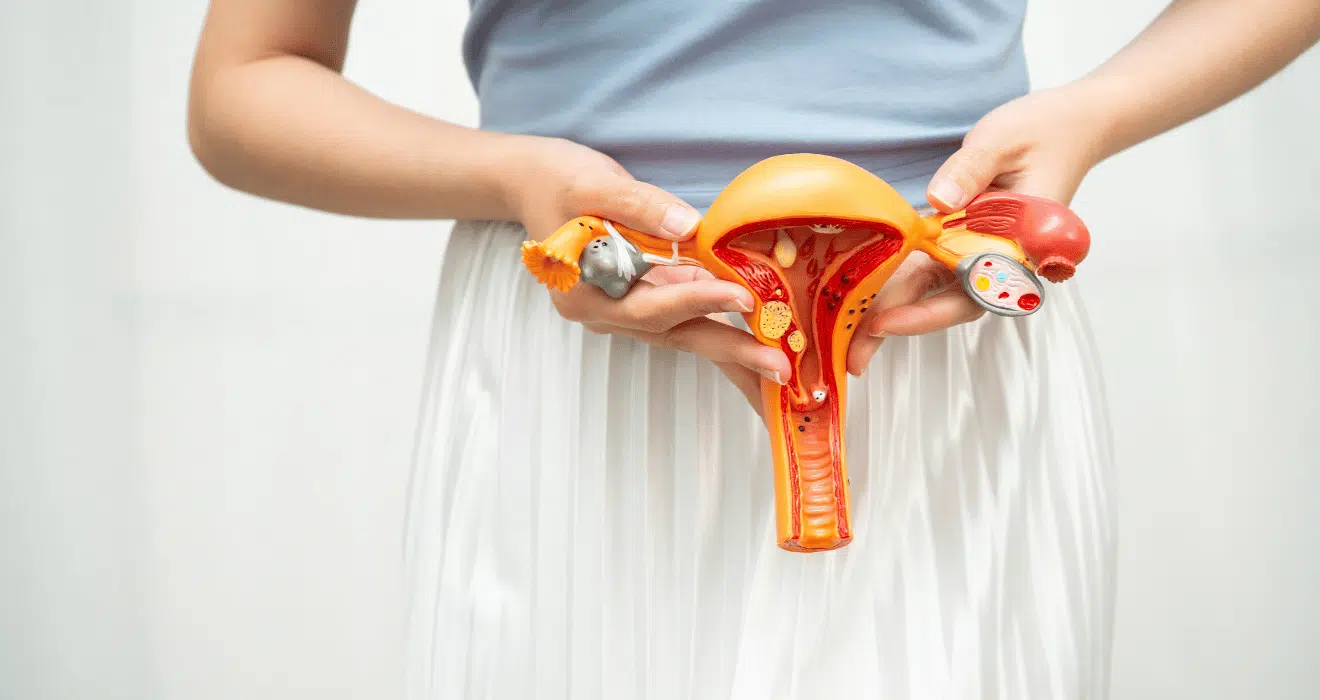

Gynecological health issues affect many women at different stages of life. Some conditions develop gradually and may go unnoticed until symptoms become severe.
Understanding common gynecological problems and recognizing early warning signs can help women seek medical attention sooner and prevent complications.
Regular gynecological checkups, awareness of symptoms, and healthy lifestyle habits play an important role in maintaining reproductive health.
In this article, we will discuss some of the most common gynecological conditions and the symptoms that women should watch for.
Polycystic Ovary Syndrome (PCOS)
Polycystic Ovary Syndrome, commonly known as PCOS, is a hormonal disorder that affects many women of reproductive age.
Women with PCOS may produce higher levels of androgens, which are male hormones that can disrupt the menstrual cycle.
Common symptoms of PCOS include:
- Irregular periods
- Excess facial or body hair
- Acne
- Weight gain
- Difficulty becoming pregnant
Although PCOS cannot be completely cured, lifestyle changes and medical treatment can help manage symptoms effectively.
Endometriosis
Endometriosis is a condition in which tissue similar to the uterine lining grows outside the uterus.
This abnormal growth can cause inflammation, pain, and fertility problems.
Symptoms of endometriosis may include:
- Severe menstrual cramps
- Chronic pelvic pain
- Pain during intercourse
- Heavy menstrual bleeding
Early diagnosis and treatment can help manage symptoms and improve quality of life.
Vaginal Infections
Vaginal infections are very common and can occur due to bacterial or fungal imbalance.
The most common types include:
- Yeast infections
- Bacterial vaginosis
- Sexually transmitted infections (STIs)
Symptoms often include itching, irritation, unusual discharge, and discomfort.
Maintaining good hygiene and seeking medical treatment when symptoms appear can help manage infections effectively.
Uterine Fibroids
Fibroids are non-cancerous growths that develop in the uterus. Many women with fibroids experience no symptoms, while others may experience significant discomfort.
Possible symptoms include:
- Heavy menstrual bleeding
- Pelvic pressure or pain
- Frequent urination
- Enlarged abdomen
Treatment options vary depending on the size and severity of the fibroids.
Ovarian Cysts
Ovarian cysts are fluid-filled sacs that develop on the ovaries. Many cysts are harmless and disappear on their own.
However, larger cysts can cause symptoms such as:
- Pelvic pain
- Bloating
- Irregular periods
In rare cases, cysts may require medical treatment or surgery.
Preventing Gynecological Health Problems
Although not all conditions can be prevented, certain habits can reduce the risk of gynecological problems.
Helpful preventive steps include:
- Regular gynecological checkups
- Maintaining a healthy weight
- Practicing safe sexual habits
- Eating a balanced diet
- Managing stress effectively
Early detection is one of the most important factors in successful treatment.
When to See a Doctor
Women should consult a healthcare professional if they experience symptoms such as:
- Severe pelvic pain
- Unusual vaginal bleeding
- Persistent vaginal itching or discharge
- Pain during intercourse
- Irregular menstrual cycles
Seeking medical advice early can help prevent complications and improve treatment outcomes.
Conclusion
Gynecological health problems are common, but early awareness and regular medical care can help manage them effectively.
By understanding the symptoms and seeking medical advice when necessary, women can protect their reproductive health and overall well-being.
Regular checkups, healthy lifestyle habits, and attention to body changes are key to maintaining long-term gynecological health.
FAQs
1. What is the most common gynecological problem?
PCOS is one of the most common hormonal disorders affecting women of reproductive age.
2. Can endometriosis affect fertility?
Yes, endometriosis can sometimes affect fertility, but many women with the condition can still become pregnant with proper treatment.
3. What causes vaginal infections?
Vaginal infections often occur due to bacterial imbalance, poor hygiene, or certain medications.
4. Are ovarian cysts dangerous?
Most ovarian cysts are harmless and disappear naturally, but large or painful cysts may require medical attention.
5. How can gynecological problems be prevented?
Regular checkups, healthy lifestyle habits, and early medical consultation help reduce risks.
