
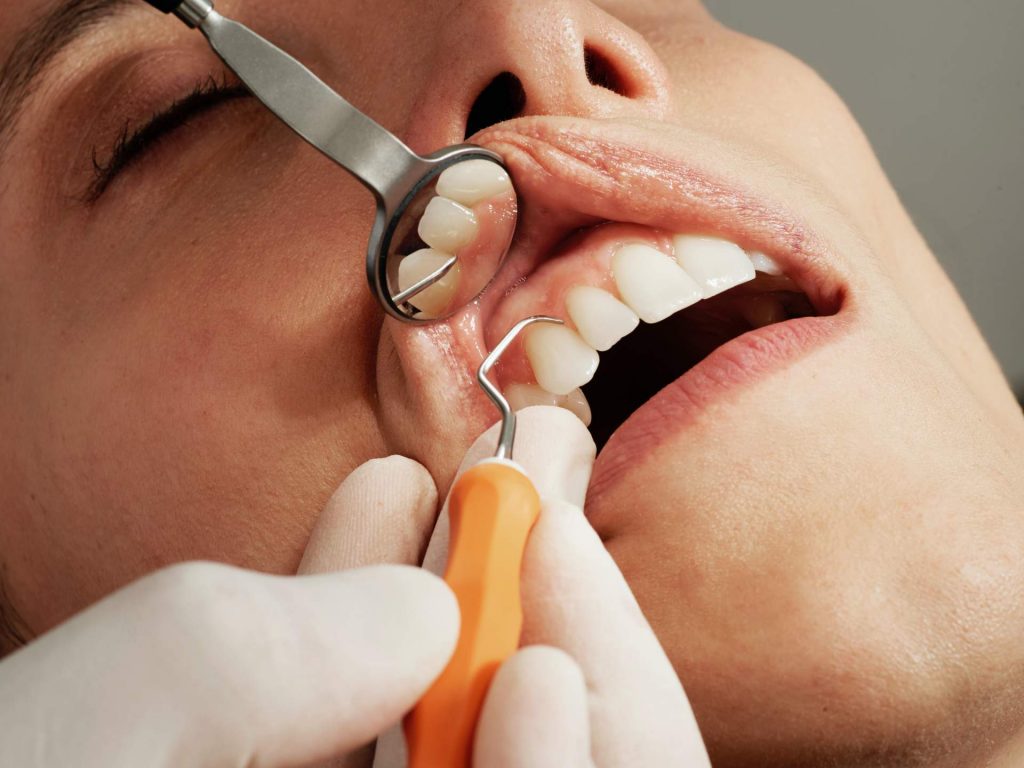

Dental problems affect millions of people around the world. Many of these issues develop slowly over time and may go unnoticed until they become painful or serious.
Poor oral hygiene, unhealthy diet, smoking, and lack of dental care are some of the most common causes of dental problems. However, the good news is that most dental issues can be prevented with proper oral care and healthy habits.
Understanding the most common dental problems and their causes can help you take the right steps to protect your teeth and gums.
In this article, we will explore common dental problems and practical ways to prevent them.
Tooth Decay and Cavities
Tooth decay is one of the most common dental problems worldwide. It occurs when bacteria in the mouth produce acids that damage the tooth enamel.
Over time, this damage creates small holes in the teeth known as cavities.
Symptoms of cavities may include:
- Toothache
- Sensitivity to hot or cold foods
- Visible holes or dark spots on teeth
- Pain when chewing
Preventing tooth decay involves brushing twice daily, flossing regularly, and limiting sugary foods and drinks.
Regular dental checkups also help detect cavities early.
Gum Disease
Gum disease, also known as periodontal disease, affects the tissues that support the teeth. It usually begins with gingivitis, which causes inflammation of the gums.
Common signs of gum disease include:
- Red or swollen gums
- Bleeding while brushing or flossing
- Persistent bad breath
- Receding gums
If untreated, gum disease can progress into periodontitis, which may lead to tooth loss.
Maintaining good oral hygiene and visiting the dentist regularly are the best ways to prevent gum disease.
Tooth Sensitivity
Tooth sensitivity occurs when the protective enamel layer becomes thin or when gums recede.
This exposes the underlying dentin, which contains tiny nerve endings.
As a result, people with sensitive teeth may feel discomfort when consuming hot, cold, sweet, or acidic foods.
Using toothpaste designed for sensitive teeth and avoiding acidic foods may help reduce sensitivity.
Bad Breath (Halitosis)
Bad breath is another common dental problem. It can be caused by poor oral hygiene, gum disease, dry mouth, or certain foods.
When bacteria accumulate in the mouth, they release unpleasant odors.
Preventing bad breath involves:
- Brushing teeth and tongue regularly
- Flossing daily
- Drinking enough water
- Visiting the dentist for checkups
Good oral hygiene usually resolves most cases of bad breath.
Tooth Erosion
Tooth erosion occurs when acids wear away the enamel. This can be caused by acidic foods, carbonated drinks, or acid reflux.
Signs of tooth erosion include:
- Increased tooth sensitivity
- Discoloration
- Rounded or smooth tooth edges
Limiting acidic beverages and rinsing the mouth with water after consuming them can help protect enamel.
Cracked or Broken Teeth
Teeth can crack due to injury, biting hard foods, or grinding teeth.
Even a small crack can cause pain or increase the risk of infection.
Wearing protective mouthguards during sports and avoiding chewing hard objects can help prevent this issue.
Conclusion
Dental problems can significantly affect your comfort, confidence, and overall health. Fortunately, many of these issues can be prevented with proper oral hygiene and healthy lifestyle habits.
Brushing, flossing, eating a balanced diet, and visiting the dentist regularly are the most effective ways to protect your teeth and gums.
Taking care of your oral health today can help you maintain a strong and healthy smile for years to come.
FAQs
1. What is the most common dental problem?
Tooth decay is one of the most common dental problems affecting people worldwide.
2. How can cavities be prevented?
Cavities can be prevented by brushing twice daily, flossing regularly, and limiting sugary foods.
3. What causes gum disease?
Gum disease is usually caused by plaque buildup due to poor oral hygiene.
4. Why do teeth become sensitive?
Sensitivity occurs when enamel wears down or gums recede, exposing the inner layer of the tooth.
5. How often should I visit a dentist?
Most dentists recommend visiting every six months for routine cleaning and examination.
