
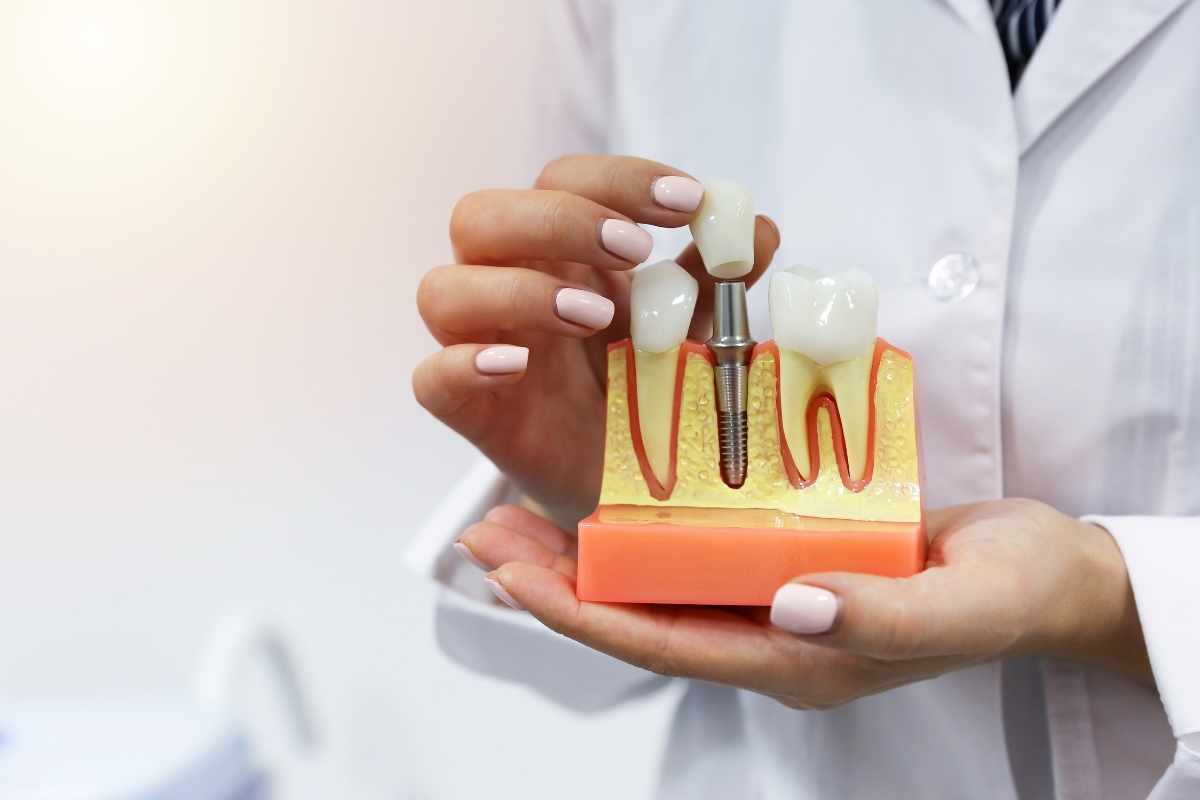

Dental implants are a restorative treatment used to replace missing permanent teeth. The implant functions as an artificial tooth root that integrates with the jawbone before a custom crown is attached. The treatment process includes surgical placement, healing, and final restoration with a fabricated tooth. Daily oral hygiene and routine dental exams support the long-term stability and function of dental implants. Here is more information on what to know about the lifespan of dental implants:
Factors Influencing Implant Longevity
Several factors influence the longevity of dental implants. Bone density plays a key role in supporting the implant, and patients with insufficient jawbone volume may require a bone grafting procedure to create a stable foundation for the metal post. Once adequate bone support is established, the implant can integrate more effectively with surrounding structures. Proper placement and bone health contribute to long-term stability.
Dietary habits also affect implant performance over time. Patients are typically advised to avoid habits such as chewing ice or hard candies that are able to place excessive force on dental crowns. Softer food choices can reduce stress on restorative materials during daily use. Careful eating patterns help protect both the crown and underlying implant structure.
The location of the implant within the mouth also influences wear patterns. Back teeth are exposed to stronger chewing forces compared to front teeth, which experience less pressure during function. Despite this difference, implants are designed to withstand normal bite forces when properly maintained. High-quality crowns and implant materials support durability across different areas of the mouth.
Daily Oral Hygiene Routines
Daily oral hygiene habits play a key role in protecting dental implants. Because implants function like natural teeth, patients are advised to brush after meals and floss daily to remove plaque buildup. Soft-bristled toothbrushes are typically recommended to avoid damaging surrounding gum tissue or implant surfaces. Non-abrasive toothpaste can also help clean without wearing down restorative materials.
Additional hygiene tools may support implant care. Water flossers help remove food particles from hard-to-reach areas around the implant. Maintaining healthy gums is helpful because bacteria buildup around the implant base can affect the supporting bone over time. A consistent routine that includes morning and evening cleaning helps reduce plaque accumulation and supports long-term implant stability.
Professional Dental Care Visits
Regular dental implant visits include routine exams, X-rays, and professional cleanings that assess oral health over time. Dentists review gum condition and check for early changes that may affect surrounding tissue. Imaging helps evaluate bone stability around the implant and identify early signs of bone loss. Hygienists remove hardened plaque from hard-to-reach areas that brushing misses. These visits support ongoing monitoring of the implant and surrounding structures through regular maintenance and evaluation.
Schedule Your Dental Implants Appointment
Restorative dental care includes a range of options for replacing missing teeth and supporting oral function. Our team evaluates oral health to determine whether permanent tooth replacement may be appropriate. If treatment is needed, dentists develop a personalized plan and guide each step of the process. Contact us today to schedule a consultation and learn more about available options.
