
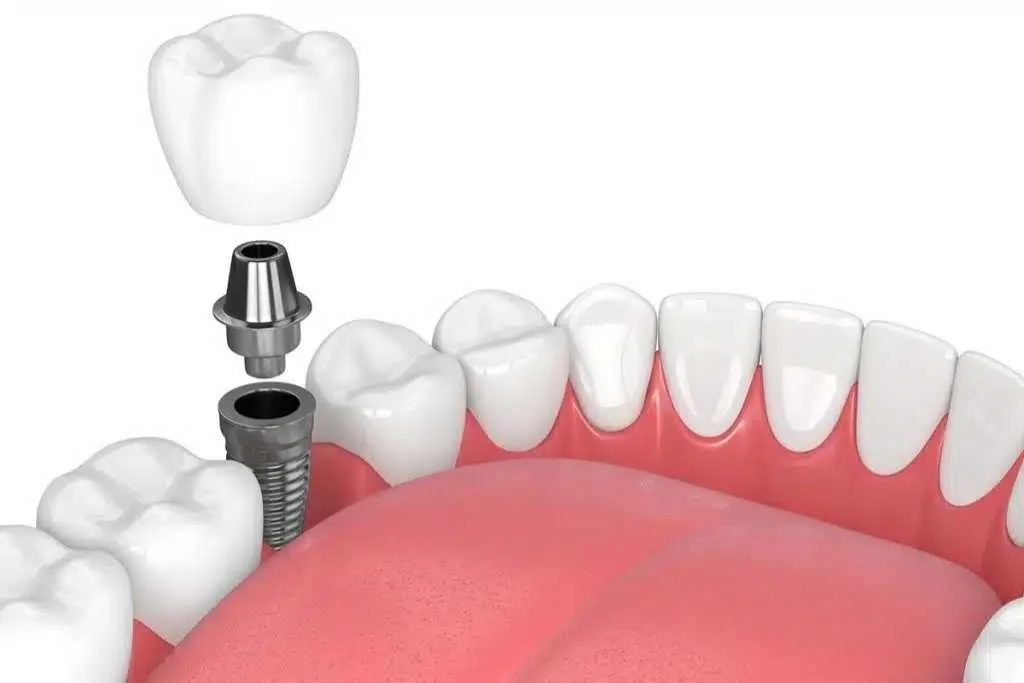

Dental implants replace missing teeth with artificial structures that match the function of natural teeth. An implant is built from three separate parts, and each part carries its own expected lifespan. These implants are placed through a series of surgeries followed by recovery periods, which allow the mouth to adjust to the new materials before adding new ones. The post sits below the gum connected to the jawbone, the connector links the parts together, and the crown forms the visible surface. Because these components face different stresses, their durability ranges from a few years to several decades.
The Post
The post is the screw-shaped part that anchors dental implants inside the jawbone, which is placed first during a specialized surgery. When the post fuses with the surrounding bone through a process called osseointegration, it forms a stable foundation, and this bond gives the post its long lifespan. Most posts last 20 years or more, and they can last up to the lifespan of the individual. Titanium and zirconia are the common materials used for this part.
Bone health and oral hygiene affect how long the post remains secure. A patient who maintains stable bone density keeps the post anchored, and regular cleaning reduces the bacteria that weaken that anchor. Since the longevity of the post is related to the health of the bones and gums, smoking and untreated gum disease both shorten its lifespan.
The Connector
The connector, known as the abutment, attaches the crown to the post. This part is fixed with a small screw, and that screw occasionally loosens after years of chewing pressure. The abutment typically lasts 10 to 15 years, since it handles the daily pressure of chewing. Routine dental visits allow a dentist to check the fit and tighten or replace it when needed.
The Crown
The crown is the visible portion that resembles a natural tooth, made custom for each patient in a lab. It absorbs daily chewing forces, and this constant contact wears the material down faster than the parts beneath it. Because of this consistent pressure, the crown lasts about 10 to 15 years. Durable porcelain and ceramic are the standard materials for this component.
Diet and habits change how quickly a crown degrades. A patient who grinds the teeth at night places extra strain on the surface, and that pressure can chip or crack the material early. Hard foods can also accelerate wear. To avoid premature degradation, patients can wear a protective night guard to reduce the damage from grinding.
Replacement of the crown does not require removal of the post, and the replacement procedure is often quick. A dentist detaches the worn crown and fits a new one onto the existing connector, so the bone remains undisturbed. This makes crown replacement simpler than full implant surgery. Since the dentist only replaces one part, the post and connector continue to serve their original function during the swap.
Learn More About Dental Implants
While each part of a dental implant has a distinct lifespan, these permanent fixtures are a great option for replacing a missing or damaged tooth. Patients can protect their prostheses by following regular oral hygiene habits, and dentists track any changes at routine appointments. When a part fails, the dentist can replace it before causing damage or difficulty for the patient. Schedule an appointment with a dental provider to discuss implant options and to find out if they’re right for you.
