
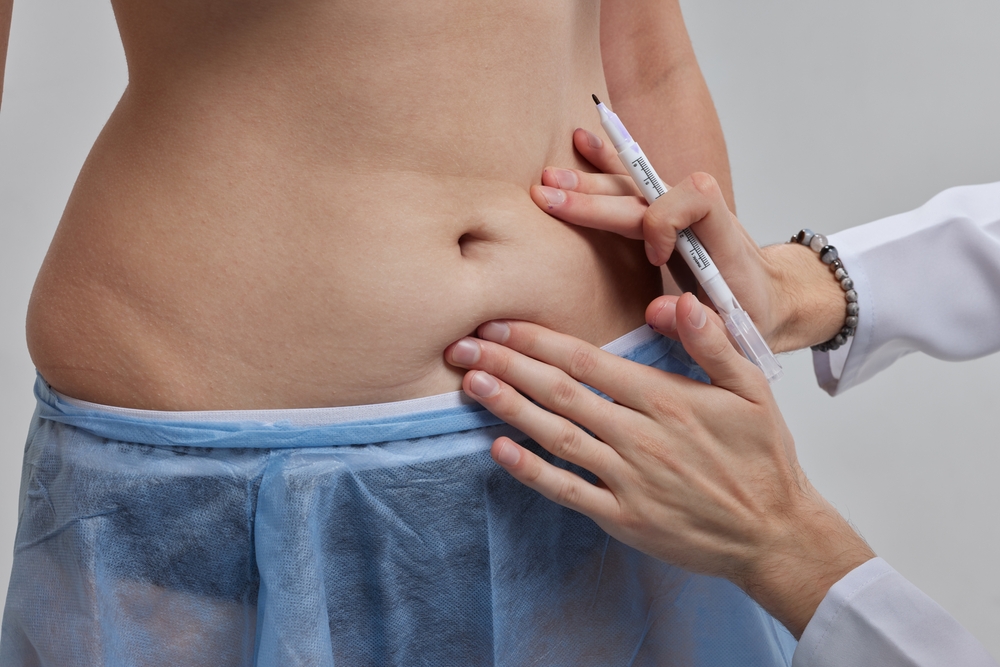

Many individuals commit to rigorous diets and adhere to regular exercise routines to shape their bodies. Despite these dedicated efforts, certain localized pockets of fat can remain unresponsive. Liposuction offers an alternative path to contouring the physique.
What Is Liposuction?
Liposuction serves as a surgical method designed to permanently extract excess fat cells from specific areas of the body. Surgeons utilize specialized suction equipment to target deposits that do not react to standard physical fitness or nutritional changes. It is a contouring technique rather than a weight-loss solution, refining the shape and proportions of the physique. Medical professionals can apply this approach to a variety of anatomical regions, which range from the neck to the lower extremities.
Who Is It For?
Surgeons routinely perform fat removal on numerous body parts. Common treatment zones include the upper arms, abdomen, back, hips, buttocks, and thighs. Patients may also seek contouring for smaller areas, such as the chin, jawline, knees, and calves. The procedure aims to smooth these regions and create a more proportionate silhouette.
Ideal candidates are individuals near their target body weight and who maintain healthy lifestyle habits. They typically possess firm, elastic skin and good overall muscle tone. This surgery is intended for non-smokers who do not have life-threatening medical conditions that could impair the healing process. Because the targeted fat cells are permanently removed, the initial physical changes are long-lasting. New fat cells can still develop if the patient gains weight later on.
What Does the Process Involve?
The journey begins with a thorough medical evaluation by a qualified practitioner. Before scheduling the surgery, patients receive specific instructions to prepare their bodies and their homes. These instructions frequently involve pausing certain medications or supplements that might increase bleeding risks, and implementing a strict cessation of tobacco use.
On the day of the operation, the medical team typically administers general anesthesia to keep the patient completely comfortable and pain-free. The surgeon then creates a series of small, discreet incisions near the targeted fat deposits. Through these small openings, the provider inserts a thin tube called a cannula to loosen fat and vacuum out the unwanted tissue. The exact duration of the surgery varies based on the number and size of the treated locations, normally lasting between one and two hours.
Following the operation, patients should anticipate temporary bruising and swelling. Medical staff will fit the individual with a specialized compression garment to support the healing tissues. Most people resume their normal occupational duties within a week or two. Vigorous physical activities require a longer pause, often up to six weeks, to protect the surgical sites. Final contouring results become visible gradually. Swelling fully subsides over the course of months, and the new physical proportions emerge.
Consult a Plastic Surgeon
Choosing to undergo body contouring requires expert guidance. Every physical form is unique, and a customized approach yields the most natural-looking outcomes. During an initial consultation, the physician will assess your anatomical structure, review your medical history, and recommend the exact techniques suited to your specific anatomy. Beyond just assessing your physical readiness, a consultation provides a dedicated space to review structural changes possible for your body type. This professional evaluation gives you the necessary details to make an informed decision about your medical care.
