
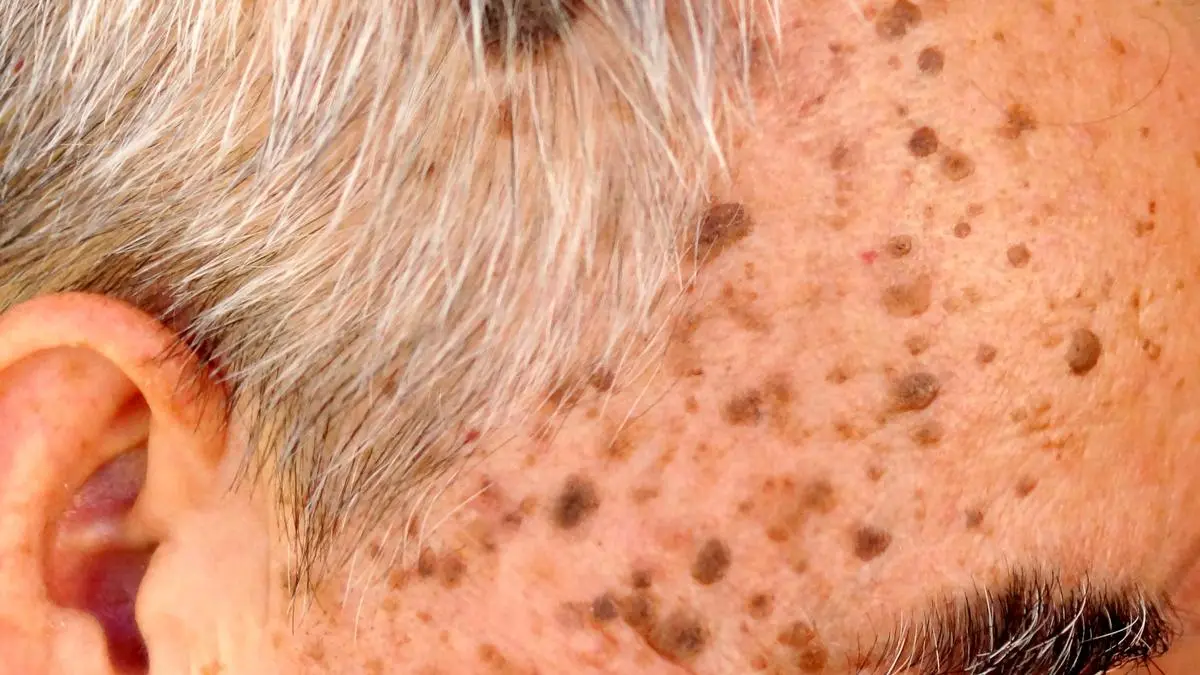

Seborrheic keratosis is a common, non-cancerous skin growth that often develops with age. These growths originate from keratinocytes, the most common type of skin cells found in the outermost layer of the skin. While their appearance sometimes causes concern, they are generally harmless and do not spread to other areas of the body. Seborrheic keratosis is a common skin condition, and it typically requires no medical intervention. If the growths become irritated by clothing or if you desire removal for cosmetic reasons, several clinical treatment options are available. Common treatments include cryotherapy, electrosurgery, curettage, and laser therapy.
Key Characteristics of Seborrheic Keratosis
Recognizing the typical appearance of these growths helps in understanding the condition. A seborrheic keratosis usually presents as a well-defined, slightly elevated lesion on the skin surface. They can range in color from light tan to dark brown or black. A defining feature of these growths is their texture; they often have a waxy, scaly, or “pasted-on” appearance.
These lesions can vary significantly in size, ranging from a fraction of an inch to larger than a half-dollar. They most commonly develop on the chest, back, shoulders, stomach, and scalp, though they can appear anywhere on the body except for the palms of the hands and soles of the feet. The growths often appear in clusters, but they can also develop as single lesions on the skin. Some individuals may notice that the surface of the growth crumbles or flakes off when scratched. This is a standard characteristic of the condition.
Diagnosis Methods
Proper identification by a medical professional allows for an accurate understanding of your skin health. Dermatologists typically diagnose seborrheic keratosis through a routine visual and physical examination. Because these growths have a distinct visual profile and texture, a trained specialist can usually identify them without complex testing. In some cases, a dermatologist may use a dermatoscope. This handheld device provides magnification and specialized lighting, and it allows the physician to view the microscopic structures of the skin more clearly. If a growth exhibits atypical features, such as an irregular border or unusual pigmentation, the doctor may perform a skin biopsy. During a biopsy, a small sample of the tissue is removed and sent to a laboratory for microscopic analysis to confirm the diagnosis and rule out other skin conditions.
Treatment Options
These growths are benign, and medical treatment is generally not required unless the lesion becomes itchy, irritated by friction, or causes persistent discomfort. If removal is chosen, dermatologists utilize several standard procedures. The choice of treatment depends on the size, location, and number of growths.
Doctors may use liquid nitrogen to freeze the growth or recommend removing it with a specialized surgical scraping tool. The freezing method, known as cryotherapy, causes the tissue to die and eventually fall off over days or weeks. Curettage involves using a sterile, spoon-shaped instrument to scrape the growth from the skin’s surface; sometimes, curettage is combined with electrosurgery, which uses an electric current to stop bleeding and remove any remaining tissue. Laser therapy is another option, utilizing concentrated light to vaporize the growth. These procedures are typically performed in an outpatient setting using local anesthesia.
Ask a Dermatologist Today
Understanding your skin conditions helps you maintain overall wellness, so if you notice a new skin growth or observe changes in an existing one, seek an evaluation from a qualified physician. A dermatologist can offer an accurate diagnosis, explain your specific situation, and discuss whether intervention is appropriate. Schedule an appointment with a skin care specialist to address any concerns you have about your skin health.
